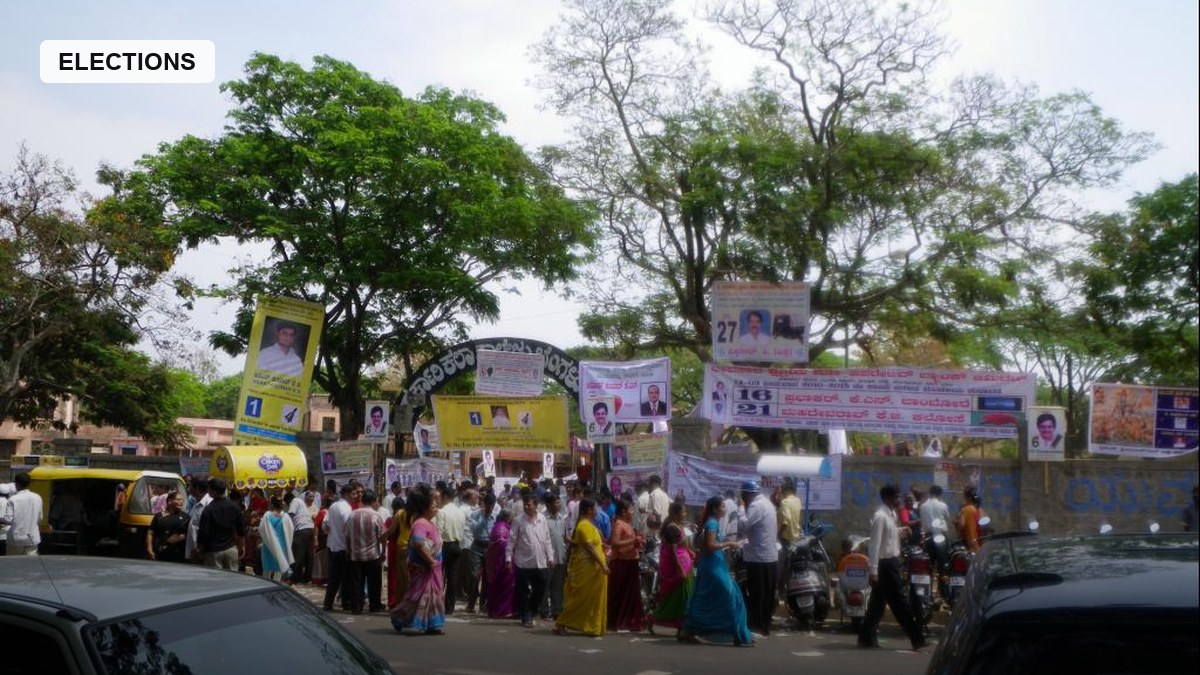
As AI makes convincing fake audio and video trivial to produce, states are scrambling to write rules before the technology distorts the 2026 midterms. Maryland just became the 30th state to enact an election-deepfake law — part of a fast-moving national effort to police synthetic political deception.
What Maryland’s law does
Maryland’s statute, effective June 1, 2026, takes a multi-pronged approach. It requires the state administrator of elections to respond after credible reports of election misinformation or deepfakes, to publicly communicate the correct information, and it prohibits knowingly creating, using or disseminating an election deepfake. The emphasis on rapid official correction — not just punishment — reflects a recognition that speed matters when a fake can go viral in hours.
A national patchwork
Maryland is one piece of a sprawling map. As of spring 2026, 46 states have enacted laws targeting AI-generated synthetic media in some form. The approaches vary widely: some mandate disclaimers on AI-generated political content, others restrict deceptive synthetic media in the window before an election, create civil remedies, empower election officials to issue corrections, or impose penalties for knowingly spreading false content. The result is a patchwork that can confuse candidates and platforms operating across state lines.
The next frontier: the enablers
Lawmakers are widening their aim. Looking ahead, legislators are expected to move beyond punishing individual creators and distributors toward the entities that enable deepfakes — generative-AI platforms, payment processors, hosting services and cloud providers. Targeting the infrastructure, rather than just the bad actor who clicks ‘post,’ could prove far more effective at stemming the flow.
The free-speech tension
None of this is simple. Regulating political content runs straight into the First Amendment, and courts have signaled limits on how far states can go. The challenge is drawing rules that curb genuine deception — a faked endorsement, a fabricated scandal days before a vote — without chilling satire, parody or legitimate political speech.
The bottom line
With 30 states now armed with election-deepfake laws and most of the country regulating synthetic media in some way, the legal guardrails are arriving just in time for a high-stakes midterm. Whether they can keep pace with the technology — and survive constitutional challenge — will be tested in real time this fall.
Photo: byungkyupark / BY-SA via flickr