One of the biggest variables in the 2026 midterms is also one of the least predictable: the youth vote. Nearly 50 million Americans aged 18 to 29 will be eligible to cast a ballot this year — a bloc large enough to swing close races — but whether they show up is another question entirely.
The numbers
Close to 50 million young people are eligible to vote in 2026, including roughly 8.5 million who have aged into the electorate since the 2024 presidential election. Young voters have driven a sustained period of relatively high turnout in recent cycles, but sustaining that into a midterm — historically lower-turnout than a presidential year — requires real mobilization, not just eligibility.
A crisis of trust
The mood is wary. A recent Harvard Youth Poll found that just 33% of 18-to-29-year-olds trust that the 2026 midterms will be conducted fairly, while 43% do not — a striking deficit of confidence in the basic machinery of democracy. For many in this group, the defining crisis is economic: the cost of living, especially inflation and housing, tops their list of concerns, often above the political fights that dominate headlines.
The registration barrier
Eligibility is not participation. On average this century, fewer than 30% of 18-year-olds are registered to vote in midterms — a structural hurdle that quietly suppresses youth turnout before a single ballot is cast. Easing that gap is where policy can move the needle: a Montana court ruling on voter registration was recently hailed as a ‘big win’ for the youth vote, the kind of access change that can matter at the margins.
Why it matters
Young voters lean heavily on a handful of competitive states and districts, where their turnout can be decisive. Both parties know it — which is why student-voter outreach, registration drives and messaging tuned to economic anxiety are ramping up. A bloc this large that is also this skeptical is both an opportunity and a risk for campaigns.
The bottom line
Fifty million young Americans could shape the 2026 midterms — if they register and turn out. With trust in elections low and economic worries high, the parties that can both inspire young voters and help them navigate registration stand to unlock a decisive, and deeply uncertain, slice of the electorate.
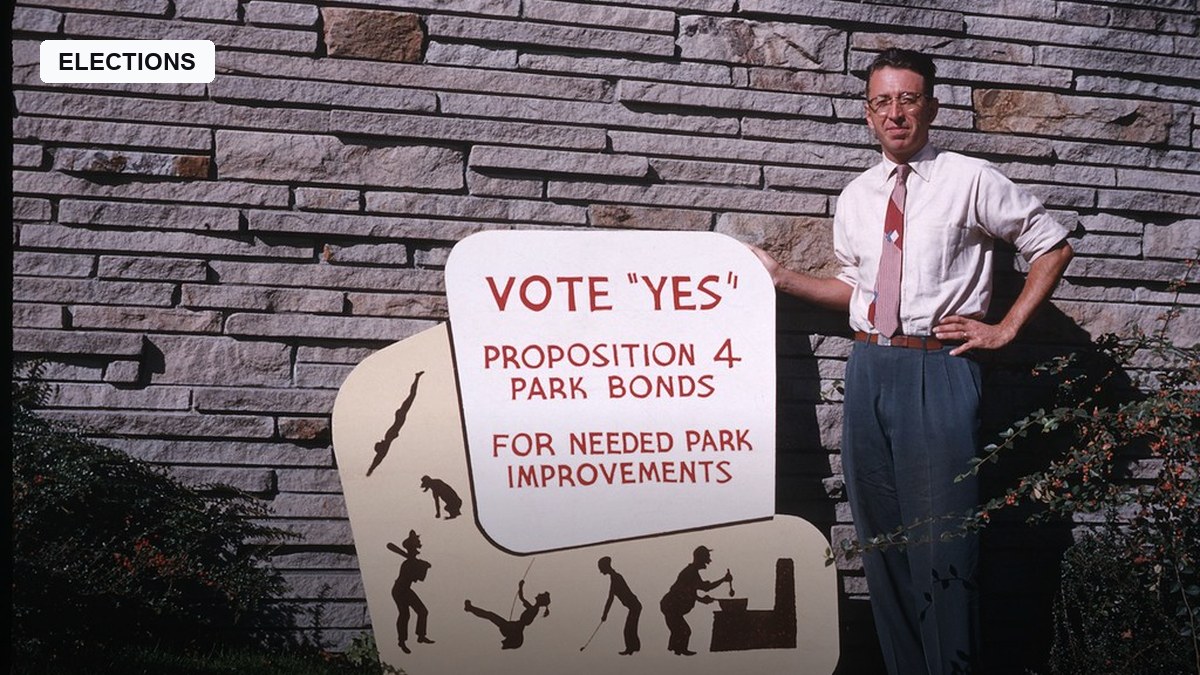
Photo: Seattle Municipal Archives / BY via flickr