
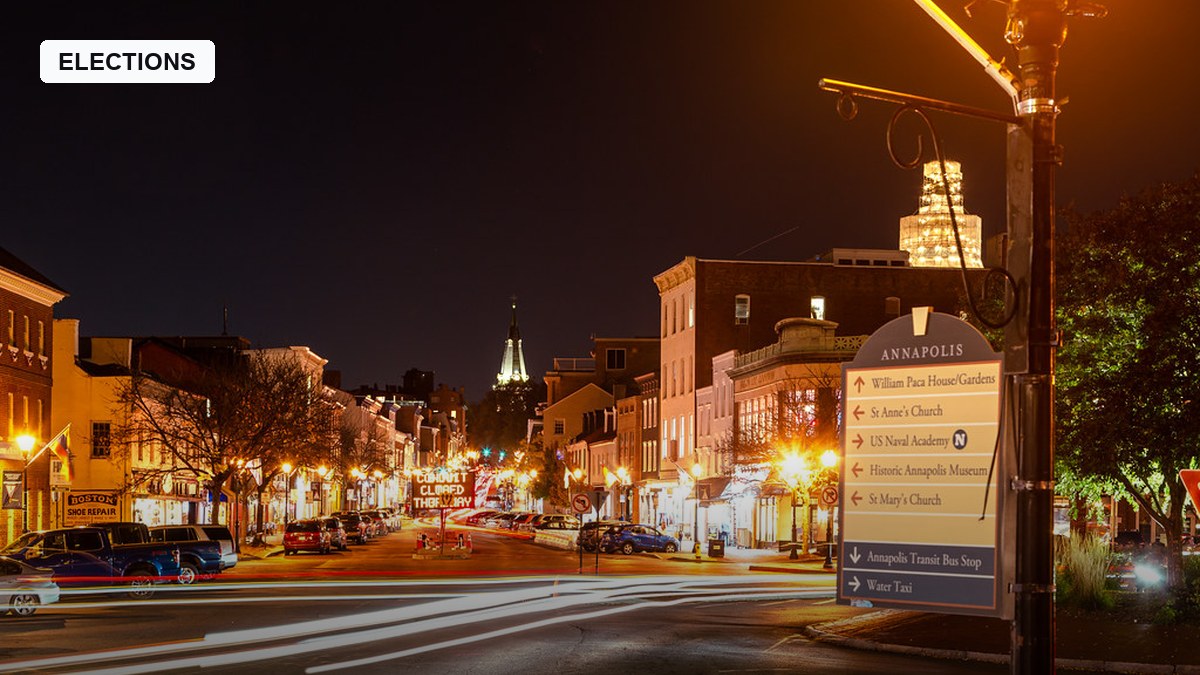
Maryland voters will get to decide a contested constitutional amendment on redistricting after all, following a whiplash week in the state’s courts. The Maryland Supreme Court on September 3 reversed a trial judge’s order that had struck the measure from the November 3 ballot, clearing the way for voters to weigh in on a question that has become a proxy fight over how states respond to mid-decade map-drawing pressure from Washington.
How the fight started
The dispute traces back to a special legislative session Gov. Wes Moore called this summer after President Trump pushed Republican-led states to redraw congressional maps mid-decade to pick up seats ahead of the 2026 midterms. In response, Maryland’s Democratic-controlled legislature passed a constitutional amendment designed to remove procedural obstacles that currently make it harder for lawmakers to respond in kind for the 2028 election cycle. The amendment itself does not draw a new map; it changes the rules under which a future map could be drawn.
Republicans sue over the calendar
A group of Republican voters, identified in court filings as Howell et al., sued the Maryland State Board of Elections on August 6, arguing the legislature missed its own deadline. State law ordinarily requires the secretary of state to certify ballot questions by July 1, but lawmakers did not pass the amendment until August 5 — more than a month late. The plaintiffs also argued a technical provision eliminating that certification deadline and other procedural requirements was itself unlawful.
A trial court sides with the challengers
On August 26, a trial court agreed with the Republican voters and granted summary judgment in their favor, effectively ordering the measure pulled from the ballot. The court stayed its own injunction pending appeal, keeping the question alive procedurally even as it handed Democrats a setback just ten weeks before Election Day.
The Supreme Court reverses course
The state’s highest court heard arguments on September 3 and ruled the same day, reversing the trial court and restoring the amendment to the ballot. The brief turnaround underscored the urgency election officials faced in finalizing ballots for printing and mailing to overseas and military voters, whose ballots must go out well before Election Day under federal law.
Two sides, two readings of the stakes
Democratic supporters of the amendment frame it as a defensive maneuver: if other states gerrymander mid-decade for partisan advantage, Maryland should not be constitutionally barred from doing the same. Republican opponents counter that mid-decade redistricting of any kind — regardless of which party initiates it — undermines the stability voters expect from district lines drawn once per decade after the census, and that the legislature’s late passage of the measure shows the process itself was rushed.
What it means for November and beyond
The ruling does not change Maryland’s current congressional map; it only authorizes the legislature to act later if it chooses to. That means the real-world consequences of the vote may not be felt until after the 2026 midterms, when lawmakers decide whether to use the new constitutional flexibility. For now, the episode is a reminder of how redistricting fights — once confined to the years immediately following the census — have become a recurring, year-round feature of American politics, fought as much in courtrooms as in legislatures. Election officials in Annapolis say ballots reflecting the restored measure are already in production, and county boards are expected to confirm final ballot language this month.
Photo: aparlette / BY via flickr

