
The U.S. Supreme Court has allowed Texas to use its newly redrawn 2025 congressional map for the 2026 elections while the state appeals a lower court’s finding that the lines likely amount to unconstitutional racial gerrymandering. Justice Samuel Alito, who handles emergency applications from the Fifth Circuit’s states, first issued an administrative stay freezing a district court injunction against the map; the full Court then extended that relief, allowing Texas to campaign and vote under the contested districts while the underlying case continues. The Court has set a response deadline of Monday, November 24, for briefing on Texas’s appeal.
A 160-Page Injunction Against the Map
A three-judge panel of the U.S. District Court for the Western District of Texas had issued a lengthy preliminary injunction — running some 160 pages — finding that Texas lawmakers likely engaged in unconstitutional racial gerrymandering when they redrew the state’s congressional map in 2025. The panel ordered Texas to revert to the map used in 2021 while the case proceeded, concluding after ten days of hearings that evidence pointed toward discriminatory intent rather than ordinary partisan line-drawing.
Governor Abbott Calls the Ruling “Erroneous”
Texas Governor Greg Abbott rejected the panel’s findings outright, calling the ruling “erroneous” and insisting the state’s map was lawfully drawn. “Any claim that these maps are discriminatory is absurd and unsupported by the testimony offered during ten days of hearings,” Abbott said in announcing the state’s appeal to the Supreme Court. The 2025 map was pushed aggressively by President Donald Trump and Texas Republicans, who have said it could help the party pick up as many as five additional U.S. House seats nationally.
Civil Rights Plaintiffs Press Their Case
The challengers — a coalition of civil rights organizations and Democratic voters who brought the underlying suit — argued at trial that the new lines dismantled minority electoral opportunity in several districts to engineer Republican gains, pointing to the compressed timeline of the redraw and internal communications they say revealed discriminatory motive. They have urged the Supreme Court to let the district court’s findings stand, warning that allowing the map to be used in 2026 risks entrenching districts a court has already found likely unlawful before any final remedy can take effect.
A Stay, Not a Final Ruling
Legal observers caution that the Supreme Court’s stay is not a ruling on the merits of whether the map is discriminatory — it simply means the new map can be used while the appeal plays out, on the theory that Texas is likely to succeed in defending it. That distinction matters heading into a midterm cycle in which control of the U.S. House could turn on a handful of seats; whichever map ultimately survives will shape not just this November’s results but potentially the rest of the decade’s elections in Texas.
Political Stakes for Both Parties
Republicans view the stay as validation that aggressive mid-decade redistricting, undertaken in several GOP-controlled states this cycle, can survive legal challenge long enough to matter at the ballot box. Democrats and voting rights advocates counter that the pattern — contested maps being used in elections before courts can fully adjudicate their legality — effectively rewards states willing to redraw lines close to an election, since even a map later found unlawful may have already delivered a term’s worth of representation under the disputed districts.
What’s Next
Texas’s full appeal is due to be briefed by November 24, after this year’s general election has already been conducted under the new map. Oral argument, if the Court grants full review, would likely come sometime in 2027, meaning any final determination on the map’s legality would arrive only after Texans have already voted under it in November. Whatever the Supreme Court ultimately decides could become a bellwether for similar mid-decade redistricting fights still working through courts in Missouri, Alabama and elsewhere.
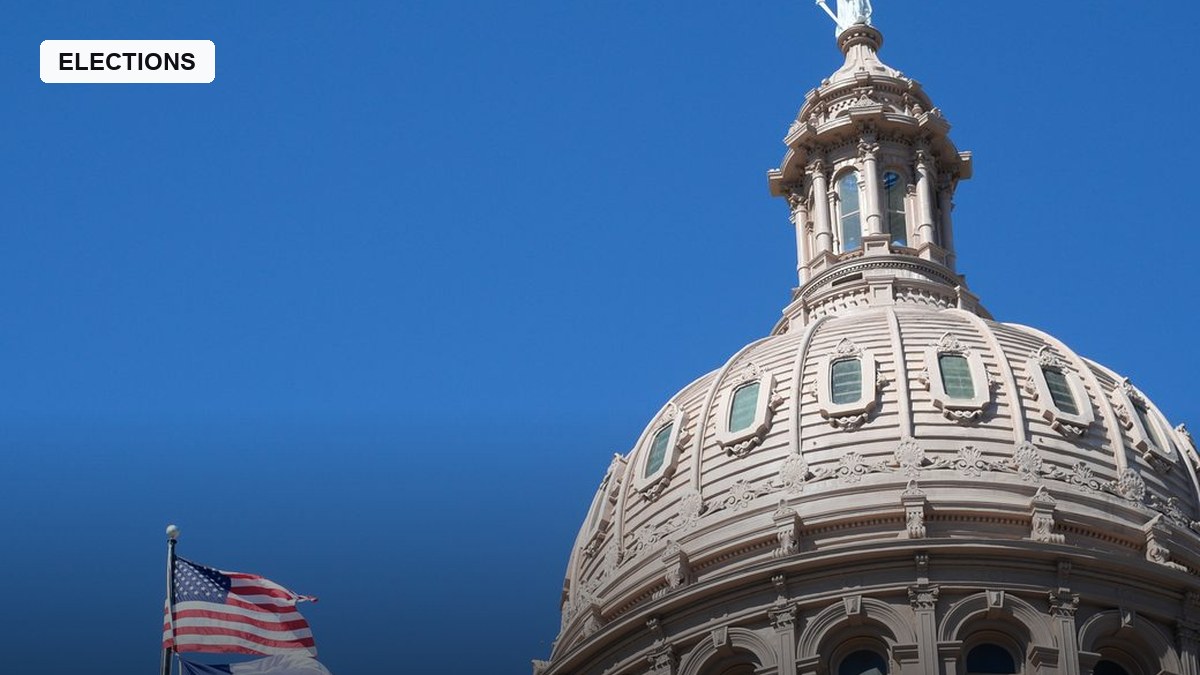
Photo: Andrew Patrick Photo / PEXELS via Pexels

