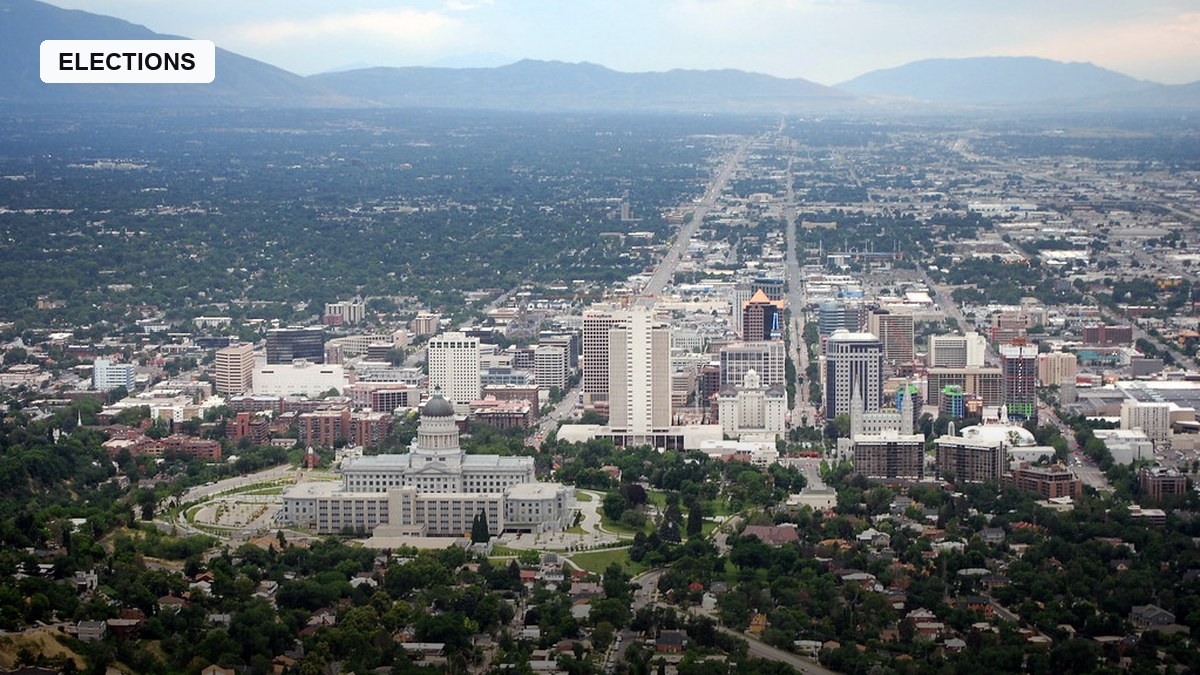
Utah enters the 2026 midterms with a congressional map it did not choose for itself: after a yearslong legal battle, a state judge selected a plan drawn by voting-rights plaintiffs rather than the Republican-controlled legislature’s version, creating a competitive, Democratic-leaning Salt Lake City district for the first time in more than a decade — and prompting some lawmakers to threaten impeachment of the judge who ordered it.
The roots of the fight
The dispute traces back to Proposition 4, a citizen-initiated 2018 ballot measure that created an independent redistricting process. The Utah Legislature later repealed and replaced it with its own map. The Utah League of Women Voters and Mormon Women for Ethical Government sued in 2022, arguing the legislature’s override violated the state constitution and that the resulting 2021 congressional map amounted to a partisan gerrymander.
How the courts intervened
The Utah Supreme Court ruled on July 11, 2024, that the legislature’s override of Proposition 4 likely violated voters’ constitutional rights, sending the case back to Third District Court Judge Dianna Gibson to determine whether the legislature’s changes were narrowly tailored to a compelling government interest. On August 25, 2025, Gibson struck down the existing congressional map, writing that the constitutional violation lay in the legislature’s ‘refusal to respect the people’s exercise’ of its own lawmaking power through the 2018 initiative.
Choosing the new map
After the Utah Supreme Court rejected the legislature’s bid to pause Gibson’s ruling on September 15, 2025, both sides submitted proposed maps: the legislature offered one plan, while the plaintiffs submitted two. On November 10, 2025, Gibson selected the plaintiffs’ Map 1 for use in the 2026 elections. The legislature’s own map would have preserved four reliably Republican-leaning districts; Map 1 instead shifts one district toward Democrats, creating a new Salt Lake City-based district that court filings describe as roughly 43% Republican — competitive territory in a state that has not sent a Democrat to the House in more than a decade.
Lawmakers strike back
Utah House Speaker Mike Schultz did not mince words, saying ‘you had a judge completely ignore the Constitution’ and vowing the legislature would seek to reverse the decision. Republican state Rep. Matt MacPherson went further, introducing a bill to file articles of impeachment against Gibson, accusing her of a gross abuse of power. Utah House and Senate Democrats took the opposite view, calling the ruling a win for every Utahn and arguing that fair representation is the truest measure of the state’s democratic promise.
The national redistricting backdrop
Utah is the sixth state to adopt a new congressional map ahead of the 2026 elections amid a broader wave of mid-decade redistricting fights nationwide. According to Ballotpedia, when combined with California’s Proposition 50 — approved November 4 and favoring Democrats in five districts — Utah’s new district helps narrow the net seat gain from Republican-led redistricting efforts nationally from nine seats down to three.
What’s next
Gibson’s Map 1 is set to govern Utah’s 2026 congressional elections unless the legislature’s threatened challenge changes that before filing deadlines. An impeachment effort against a sitting judge over a redistricting ruling would be an extraordinary step, and it remains unclear whether it has enough support to advance. For now, Utah Republicans are bracing for the possibility of their first genuinely competitive U.S. House race in years, while national Democrats see the new Salt Lake City-area district as a fresh, if modest, pickup opportunity in a tightly contested fight for House control.
Photo: Edgar Zuniga Jr. / BY-ND via flickr