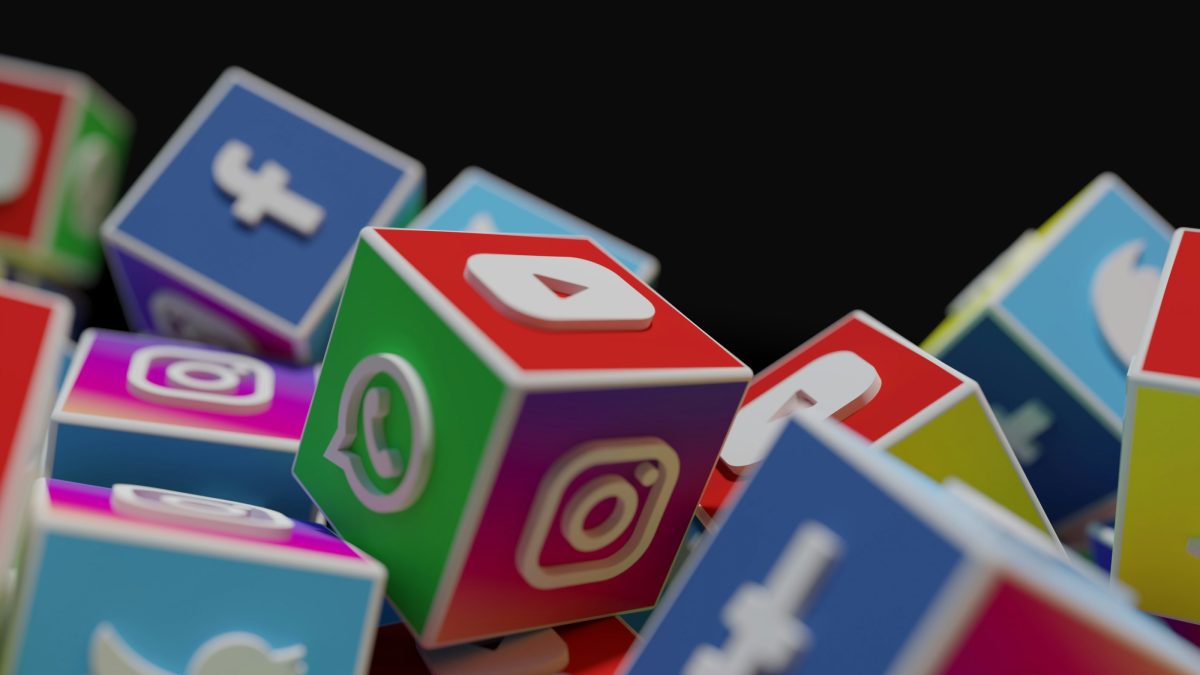
The rise of social media has transformed the way we engage with culture, from music and film to art and literature. According to a recent study by the Pew Research Center, nearly three-quarters of Americans use social media platforms to discover new cultural content.
As social media continues to play an increasingly dominant role in shaping our cultural experiences, concerns are being raised about its impact on traditional institutions and the way we interact with art and culture. The music industry has seen a significant shift towards streaming services, with many artists now releasing their work exclusively online.
The Changing Nature of Cultural Consumption
One of the most notable changes brought about by social media is the democratization of cultural consumption. With the rise of platforms like YouTube and TikTok, anyone can create and share content, making it easier for emerging artists to gain recognition and connect with audiences.
However, this shift has also led to concerns about homogenization and the devaluation of traditional artistic skills. Many experts argue that the emphasis on viral content and algorithms is reducing the quality and depth of cultural production.
The Impact on Traditional Institutions
Social media’s impact on traditional institutions like museums, galleries, and theaters is also being felt. With the rise of online platforms, many art organizations are struggling to adapt and maintain their relevance in a changing landscape.
According to a report by the Museum Association, nearly 40% of museums in the United States have seen a decline in attendance over the past five years, while 60% have seen an increase in online engagement. This raises questions about the role of traditional institutions in the digital age and whether they can continue to thrive alongside social media.
The Role of Algorithms in Shaping Cultural Taste
Algorithms play a significant role in shaping our cultural tastes on social media, with platforms using data to suggest content that is likely to engage us. However, this raises concerns about the homogenization of culture and the suppression of minority voices.
A study by the University of Southern California found that algorithms used by YouTube and Facebook were biased towards promoting white, male creators over women and minorities, highlighting the need for greater diversity and inclusion in the digital media landscape.
What’s Next?
As social media continues to shape our cultural experiences, it is essential to consider its impact on traditional institutions, artistic skills, and cultural diversity. Policy makers, artists, and industry leaders must work together to address these challenges and ensure that the benefits of social media are shared by all.
Open Questions
As we look to the future, several questions remain unanswered: How can traditional institutions adapt to the changing landscape of cultural consumption? What role should algorithms play in shaping our cultural tastes? And how can we ensure that the benefits of social media are shared by all?