Iowa’s Secretary of State publicly defended the integrity of the state’s 2026 midterm election results on November 13, pushing back against criticism and questions raised about the process, part of a broader pattern this cycle of state election officials needing to proactively defend their results against public skepticism and legal challenges.
The Nature of the Criticism Iowa Faced
While the specific sources and substance of the criticism directed at Iowa’s results were not extensively detailed in available reporting, the Secretary of State’s decision to publicly and directly defend the results suggests the office faced meaningful pressure or public questioning significant enough to warrant a direct, proactive response rather than simply allowing the certification process to proceed without additional public comment.
Why State Officials Are Increasingly Playing Defense
Iowa’s situation reflects a broader national pattern this election cycle of secretaries of state across multiple states, regardless of party affiliation, needing to publicly defend their election administration processes against skepticism, a dynamic that has become increasingly common since the 2020 election cycle intensified public scrutiny of election administration procedures nationally.
The Role of Social Media in Amplifying Election Criticism
Much of the public criticism facing election officials this cycle has spread rapidly through social media platforms, often based on claims that election administration experts and fact-checkers have disputed, creating a challenging communications environment where officials must respond quickly to counter circulating claims before they become deeply entrenched in public perception.
How Iowa’s Election Administration Compares Nationally
Iowa has not historically been among the states most associated with high-profile election disputes, making this instance of the Secretary of State needing to publicly defend midterm results notable as a sign that election-integrity skepticism has spread beyond the traditionally most contested battleground states into states with less historically contentious election administration track records.
What Specific Defenses the Secretary of State Offered
Public officials defending election results in this environment typically point to established procedural safeguards, including bipartisan poll worker staffing, paper ballot trails, and post-election audits, as evidence supporting the accuracy and integrity of certified results, a now-standard set of talking points state election officials across the country have increasingly needed to deploy.
The Broader Erosion of Trust Concern
Election administration experts have expressed concern that the need for officials to repeatedly and publicly defend routine election processes reflects a broader erosion of public trust in election administration that extends well beyond any single state’s specific circumstances or any particular election cycle’s unique disputes.
What’s Next
Watch for whether Iowa’s public defense of its results satisfies the specific concerns raised, or whether the dispute escalates into formal legal challenges similar to those seen in other states this cycle. The broader question is whether this pattern of officials needing to proactively defend routine election administration becomes a permanent feature of the post-election process nationally, or whether public trust stabilizes in future cycles.
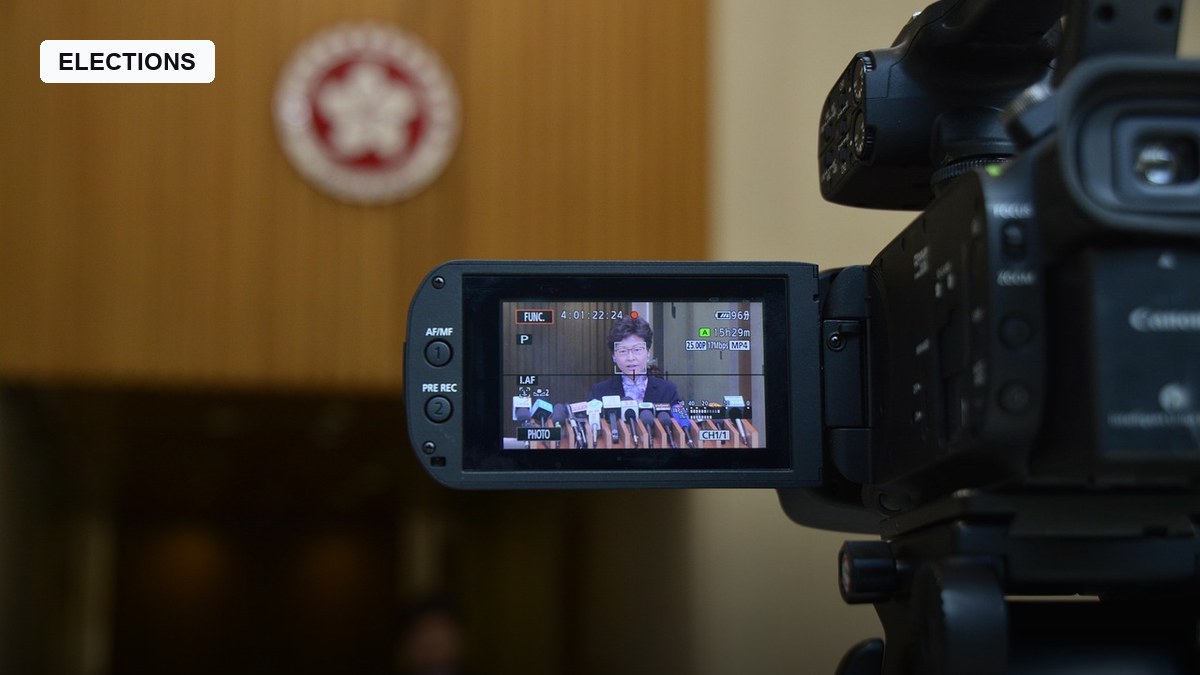
Photo: AndyLeungHK / PIXABAY via Pixabay