The White House’s Government Transparency Taskforce has released four tranches of newly declassified intelligence-community documents on election security, an effort President Trump previewed in a primetime address in mid-July 2026. The files cover alleged vulnerabilities in electronic voting and ballot-counting systems, China’s acquisition of American voter data, a Michigan voter-registration investigation centered on Muskegon, and findings on noncitizens registered on state voter rolls. Michigan election officials and independent fact-checkers, however, say the documents largely recycle years-old, previously reviewed cases rather than surfacing new evidence of fraud.
What the Documents Contain
Among the released material is a file describing a voter-registration operation in Muskegon, Michigan, in which canvassers allegedly told FBI agents they signed registration forms in other people’s names, submitted forms for people who did not exist, and received gift cards tied to the volume of applications turned in. Separately, the White House released partially redacted data asserting that nearly 278,000 noncitizens are registered to vote in federal elections nationwide, along with material describing what officials characterized as a "slow-walked" 2020 FBI investigation into the Muskegon matter. The documents are posted on WhiteHouse.gov for public review.
The Muskegon Case Predates This Year
Independent reporting, including analysis from PBS NewsHour and CNN, found that the Muskegon registration-fraud case dates to 2020 and was previously investigated: the fraudulent registrations identified at the time were voided before any ballots were cast, and no charges were ultimately filed after the matter was referred to the FBI in 2021. In other words, the underlying facts were known to election administrators years before this summer’s declassification, even though the specific intelligence-file packaging is new.
Michigan’s Own Review Undercuts the Noncitizen Figures
Michigan election officials, responding to a related controversy over noncitizen registrations flagged by a Macomb County clerk, concluded that the alarming initial figures were based on misinterpreted data and exaggerated well beyond what the underlying records showed. A statewide review found that cases of noncitizens actually casting ballots in Michigan elections are "extremely rare" — officials identified about a dozen such ballots in the 2024 general election, or roughly 0.00028% of the state’s total votes cast. That figure is consistent with a body of independent research on the subject: the conservative Heritage Foundation’s own database found only 24 documented instances of noncitizen voting nationwide between 2003 and 2023.
Competing Interpretations of the Same Files
The White House and allied commentators argue the declassified material demonstrates intelligence about election vulnerabilities was "intentionally hidden" from the president in earlier years and justifies further legislative action, including passage of the SAVE Act’s proof-of-citizenship registration requirements. Critics, including Michigan election administrators and outlets that reviewed the documents line by line, counter that none of the newly released files provide evidence that any past election outcome — including the 2020 presidential race — was actually altered by fraud or foreign interference, and that the vulnerabilities described were already known to cybersecurity officials well before this release. CNN’s review concluded the documents show real, longstanding security concerns worth addressing but do not substantiate claims of outcome-changing fraud.
Political Context Ahead of the Midterms
The document release comes as the administration presses Congress to advance the SAVE Act, which would require in-person documentary proof of citizenship — such as a passport or birth certificate — to register to vote, a bill that passed the House 218-208 earlier this year but faces a steep 60-vote filibuster threshold in the Senate. The declassification effort and the SAVE Act push are widely seen as connected parts of the administration’s broader midterm-year election-security agenda, alongside separate initiatives such as Justice Department poll monitoring in states holding primaries this summer.
What to Watch Next
Michigan’s Secretary of State’s office has indicated it will continue to audit voter-roll data as new noncitizen-registration allegations surface county by county, a process that has repeatedly produced smaller, more mundane explanations than initial claims suggested. In Washington, the Senate’s handling of the SAVE Act will determine whether the citizenship-documentation debate translates into an actual change in registration law before the November 3, 2026 midterms, while voting-rights groups say they will continue to press courts and state officials to distinguish between genuine security vulnerabilities and recycled, previously resolved fraud allegations. Fact-checking organizations have also said they will keep tracking each new document tranche as it is posted to WhiteHouse.gov, cross-referencing the underlying case files against state and local records to determine whether any additional claims hold up under scrutiny before the midterm campaign intensifies further this fall.
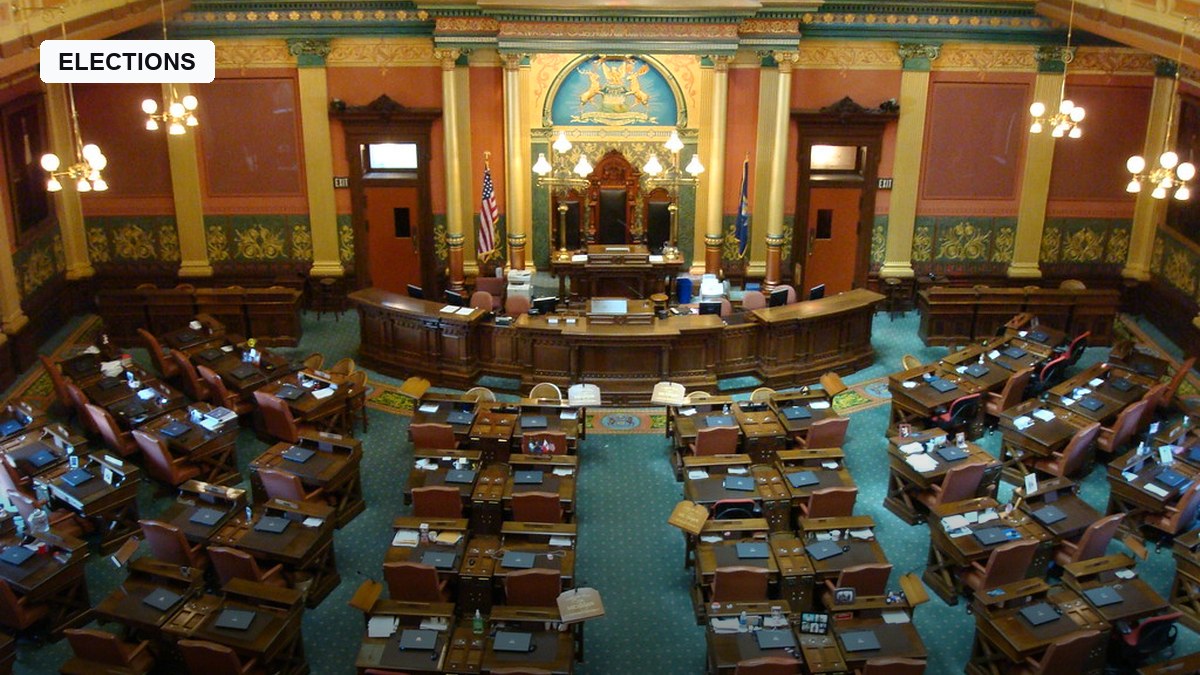
Photo: MittenStatePhototog / BY via flickr