Arizona’s HB2440, a bill that would have barred the state attorney general from prosecuting, charging, or suing county supervisors for voting against certifying an election canvass, has been vetoed, according to the Arizona House of Representatives’ own bill-tracking summary and Senate fact sheets. The measure’s defeat keeps intact the legal exposure that has already landed Arizona supervisors in court once this decade, and it reopens a fight over how far officials can go in refusing to sign off on results they say they distrust.
What HB2440 Would Have Done
The bill, sponsored with backing from Sen. John Kavanagh of Fountain Hills, would have created a carve-out in state law protecting a county supervisor from attorney general prosecution specifically when their vote against certification rested on a documented, good-faith belief that unresolved problems threatened the integrity of the count. Its text did not touch other election-related offenses, meaning the attorney general would have retained authority to pursue supervisors for conduct unrelated to a certification vote itself. Supporters framed the bill as a response to what they called an untenable position for local officials: facing potential criminal exposure for exercising what they viewed as legitimate oversight judgment.
The Cochise County Precedent Behind the Bill
The legislation traces directly back to a fight in Cochise County, where a Pima County judge ordered a county supervisor to certify election results after the supervisor initially refused, citing unresolved concerns about the vote. That episode became a rallying point for Republican legislators who argued the threat of legal consequences, including potential contempt or prosecution, improperly coerces local officials into certifying results against their judgment, even when state law treats certification as a non-discretionary, ministerial duty rather than an evaluative one.
Why the Governor and Critics Pushed Back
Voting rights advocates and the state attorney general’s office have consistently argued that certification is not a point at which officials are meant to relitigate election results, but a procedural step confirming that votes were counted according to law, a position Arizona courts have upheld in prior disputes including the Cochise County case. Opponents of HB2440 warned that shielding supervisors from legal consequence for certification refusals would invite more frequent delays and legal battles in future election cycles, particularly in closely divided counties where a single supervisor’s objection could hold up certification deadlines that other counties and the state depend on to finalize results on schedule.
Part of a Broader National Pattern
Arizona is not alone in grappling with this question. Disputes over whether local election officials can lawfully refuse to certify results have also played out in Georgia’s Fulton County, Nevada’s Washoe County, and elsewhere since the 2020 election cycle, prompting a wave of state-level legislation on both sides of the issue, some aimed at reinforcing certification as mandatory, other bills, like HB2440, aimed at protecting officials who balk. Legal organizations including the Brennan Center for Justice have tracked certification-related legislation and litigation closely, warning that inconsistent rules across states could create openings for delay tactics in close future elections.
What the Veto Means for Arizona’s Next Election Cycle
With HB2440 vetoed, the legal risk the bill sought to eliminate remains in place: Arizona supervisors who vote against certification still face the same potential for legal action, including the kind of court order that forced certification in Cochise County, that existed before the bill was introduced. Legislative supporters of the measure have signaled they are likely to reintroduce similar protections in a future session, meaning the underlying tension, between protecting what some officials call good-faith oversight and preserving certification as a mandatory, apolitical duty, is unlikely to be resolved before Arizona’s next major election cycle arrives.
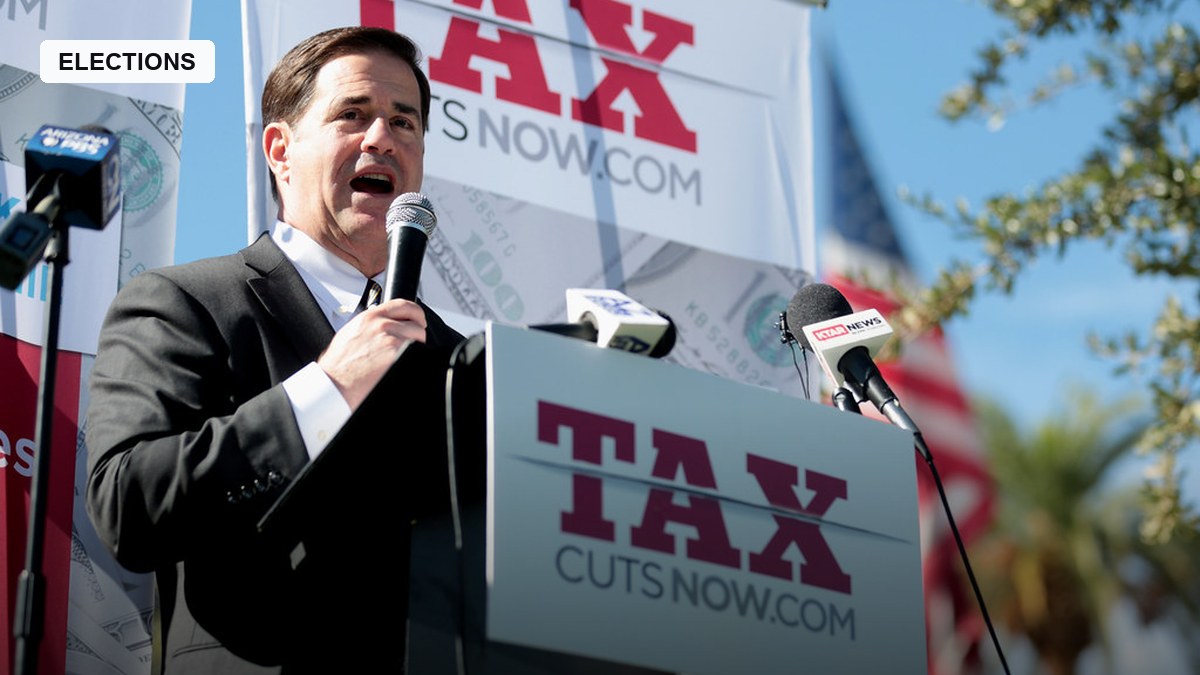
Photo: Gage Skidmore / BY-SA via flickr