
A coalition spanning both major parties and Oregon’s independent movement has filed two new ballot measures aimed at ending one of the state’s most persistent election fights: whether more than a million Oregonians locked out of taxpayer-funded primaries should get a vote in them. Initiative Petitions 55 and 56, submitted to the Oregon Secretary of State’s office, would open the state’s primary elections to voters who are unaffiliated or registered with minor parties — a group that now outnumbers registered Democrats or Republicans individually statewide.
Two Petitions, Two Paths to the Same Goal
IP 55 would amend the Oregon Constitution, while IP 56 would change state statute to accomplish a similar end — opening primaries so that any registered voter could cast a ballot in the Democratic or Republican primary of their choice, regardless of their own party registration. Before either measure can begin collecting voter signatures, organizers must first gather 1,000 sponsorship signatures and secure Oregon Attorney General approval of the official ballot language, a procedural step that typically takes weeks.
An Odd-Couple Coalition
The effort is being led by an unusual trio: former Democratic Governor Ted Kulongoski, former Republican state Representative Cheri Helt of Bend, and Andrew Kaza, co-chair of the Independent Party of Oregon and the measures’ chief petitioner. Kaza, who lives in Deschutes County, has framed the campaign as a matter of basic fairness rather than partisan advantage. ‘We’re realistic in this process,’ Kaza said, acknowledging the steep signature math ahead, while arguing there is ‘a concern for the disenfranchised voters’ who are currently shut out of taxpayer-funded elections until the general election in November.
The Scale of the Signature Challenge
To qualify for the November 2026 ballot, organizers need 156,000 valid signatures for the constitutional amendment and 117,000 for the statutory version — a daunting total given the compressed timeline before signature-verification deadlines. Kaza himself has conceded that reaching the ballot in 2026 is ‘ambitious’ and that the measures may ultimately need to wait until November 2028 to appear before voters, a sign organizers are already managing expectations about the realistic timeline for such a large-scale petition drive.
Why Now: A State Out of Step With Its Neighbors
Supporters point to shifting voter registration patterns as the core argument for reform. More than 1.3 million registered Oregon voters are unaffiliated or registered with a minor party and currently cannot vote in Oregon’s major-party primaries, which are funded with public money. Nonaffiliated voters have outnumbered registered Democrats and Republicans individually since 2022, and now make up roughly 44% of the state’s registered electorate. Kaza has argued that Oregon’s closed-primary system pushes both major parties toward their ideological extremes, since only committed partisans currently choose nominees, and that the state lags behind several of its Western neighbors — Montana already runs open primaries, while Idaho allows open Democratic primaries even though its Republican primary remains closed.
A History of Voter Rejection
This is not Oregon’s first attempt at primary reform. Voters rejected top-two primary proposals — similar to systems used in California and Washington — in both 2008 and 2014, suggesting an uphill climb for any new measure even if it gathers enough signatures to qualify. Notably, IP 55 and 56 differ from a strict top-two model: rather than advancing the top two finishers regardless of party to the general election, they would simply open each party’s existing primary ballot to a broader pool of voters, a distinction organizers hope will blunt some of the objections that sank earlier reform efforts.
What’s Next
Neither the Oregon Democratic Party nor the Oregon Republican Party responded to requests for comment on the new petitions, leaving the formal party apparatus silent so far on a measure that would directly affect how their nominees are chosen. With sponsorship signatures and Attorney General ballot-title review still pending, the practical test now shifts to whether Kulongoski, Helt and Kaza’s coalition can mobilize a large-enough volunteer and paid-signature operation to hit six-figure signature totals before Oregon’s filing deadlines — a logistical hurdle that has derailed similarly ambitious ballot campaigns in the past. If the drive stalls, as Kaza himself has suggested is plausible, Oregon’s primary system would remain unchanged through at least one more election cycle while the coalition regroups for a 2028 run.
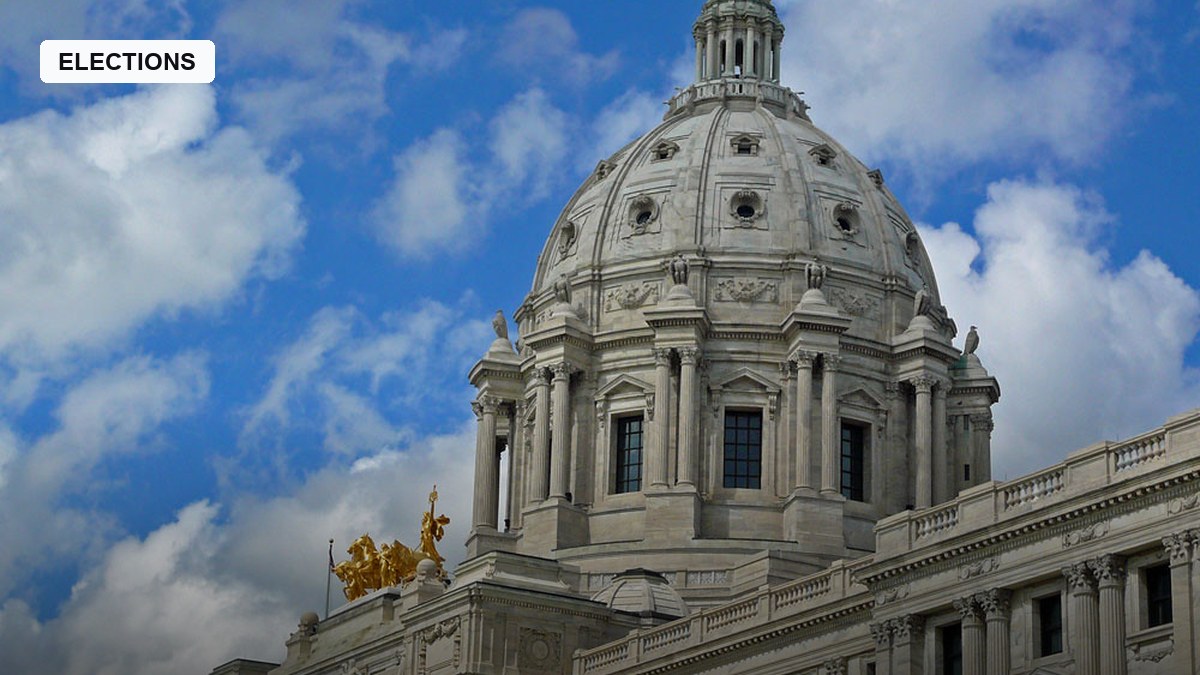
Photo: TBoard / BY via flickr

