
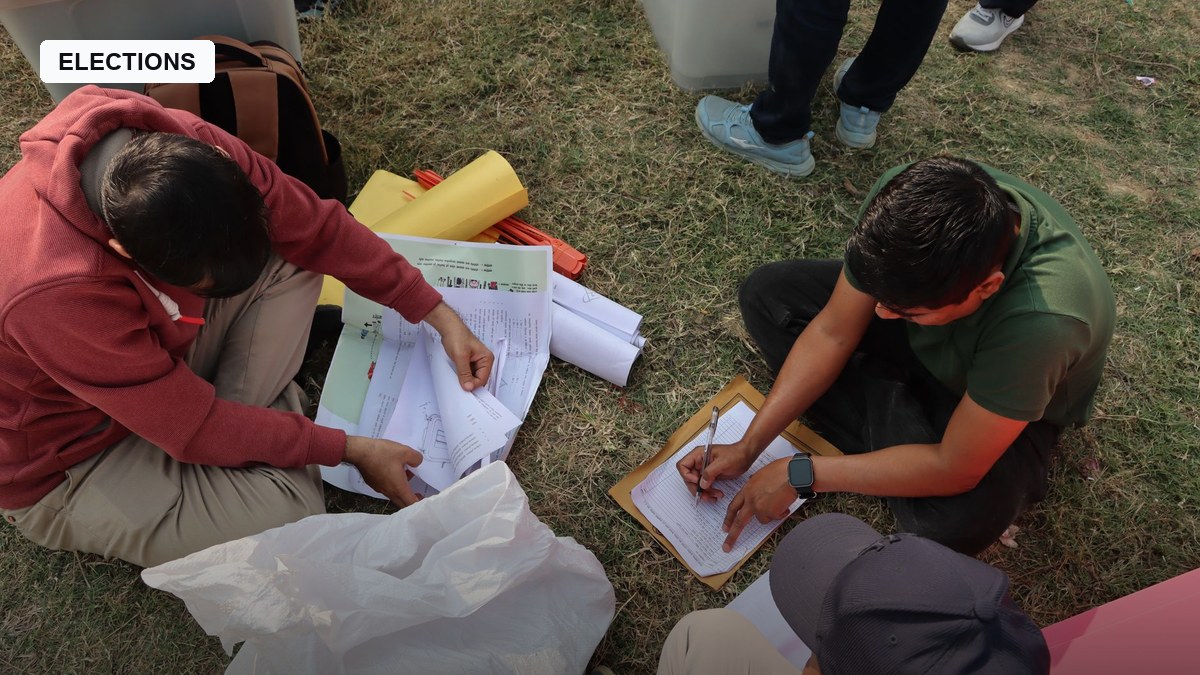
The Cybersecurity and Infrastructure Security Agency released its 2026 Election Infrastructure Security Plan on September 24, giving state and local election officials a formal roadmap for defending voting systems just 40 days before the November midterms. The 13-page document lays out the physical and cyber threats facing polling places, voter registration databases and tabulation systems, and it describes the tools CISA says it will offer to help officials fend off those threats.
What the Plan Actually Says
At the center of the plan is a new tier of accountability: CISA’s 10 regional directors will now serve as designated election security advisers, acting as the primary point of contact between local election offices and federal resources. The agency is also standing up a free information-sharing platform intended to connect election officials with state fusion centers and federal intelligence partners in something closer to real time. According to Homeland Security Secretary Markwayne Mullin, the department plans to hold classified threat briefings reaching more than 70 secure locations nationwide, with two additional classified reports scheduled before Election Day. “Election security is national security,” Mullin said in announcing the plan.
Paper Ballots Take Center Stage
The plan formally elevates paper ballots and post-election audits to the federal government’s preferred safeguard against hacking or manipulation of results. Officials note that roughly 99% of voters in 2026 will cast a ballot that leaves a voter-verifiable paper trail, giving officials a physical record to check against electronic tallies if a dispute arises.
How We Got Here
The plan lands against a backdrop of turmoil at CISA itself. Over the past year, the Trump administration has cut staff and scaled back the agency’s election security unit, a retrenchment that state officials say severed long-standing relationships between federal cyber experts and the local governments that actually run elections. Michigan Deputy Secretary of State Aghogho Edevbie testified earlier this year that many state offices lost the direct lines of contact with CISA personnel they had relied on since the agency’s post-2016 election security mission began. That mission traces back to a 2017 Department of Homeland Security designation of election systems as “critical infrastructure,” a step that was itself controversial, with some Republican state officials at the time objecting to federal involvement in what has traditionally been a state and local function. Over the three election cycles that followed, CISA built out a network of regional advisers, a rumor-control hub for debunking viral falsehoods, and standing relationships with secretaries of state that election administrators of both parties came to depend on for threat intelligence and technical help — the very infrastructure the new plan is now trying to partially rebuild.
Praise and Skepticism
Supporters frame the new plan as evidence the administration is taking election security seriously heading into a competitive midterm cycle, restoring at least some of the coordination infrastructure that was dismantled. Critics counter that the document is long on structure and short on specifics — it does not detail staffing levels, funding commitments or enrollment timelines for the new information-sharing platform. Watchdog groups have also pointed out that the plan sits awkwardly next to the administration’s own FY2027 budget proposal, which would eliminate dedicated election security grant funding altogether. Some election officials, speaking to reporters on background, described the effort as “too little, too late,” noting that many states have already had to pay out of pocket for private cybersecurity services to fill the gap left by federal cuts.
A Narrower Approach to Public Warnings
Reporting around the plan’s release also suggests CISA intends to take a more limited approach to publicly disclosing foreign interference attempts than it did in 2024, when the agency and the FBI issued a steady stream of public advisories about Russian and Iranian influence operations. Whether that quieter posture reflects a genuine assessment of reduced risk, or a political choice to downplay foreign threats, is likely to become a flashpoint as the midterms approach.
What’s Next
With just over a month until Election Day, the real test of the plan will be execution: whether the promised classified briefings actually reach the more than 70 designated locations, whether the information-sharing platform is operational in time to matter, and whether regional directors have the staff and authority to respond quickly if a state reports an intrusion attempt. Election officials in swing states are watching closely, and Congress is expected to press CISA leadership for more detail on funding and staffing in oversight hearings this fall.
Photo: CP Khanal / PEXELS via Pexels

