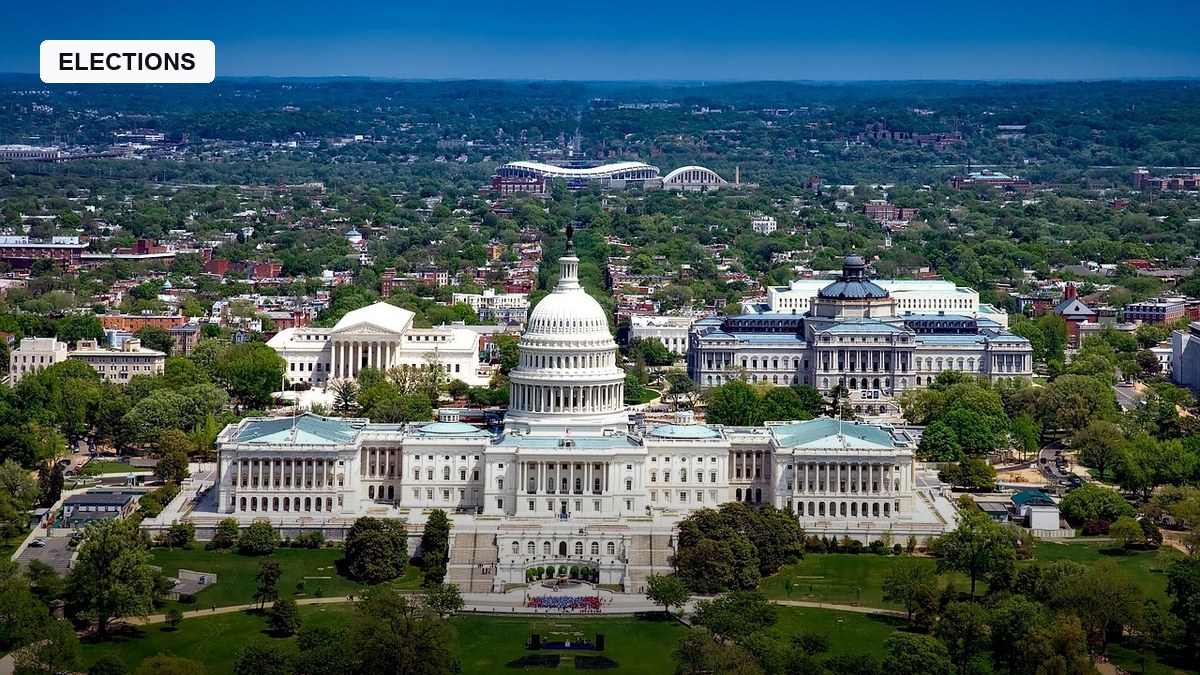
Georgia election officials announced on November 19 that county workers had completed a record-setting round of risk-limiting audits covering the state’s 2026 general election, auditing all six statewide contests and all 14 of Georgia’s congressional races — the largest number of statewide and federal audits the state has ever conducted in a single cycle, according to Secretary of State Brad Raffensperger’s office.
What the Audits Covered
Across the audited contests, county officials hand-examined 600 ballot batches containing 1,050,204 ballots and roughly 1,539,171 individual vote opportunities, cross-checking a statistical sample against the machine-reported totals to confirm that the original count reflected how Georgians actually voted. The audits were conducted at a 5 percent risk limit, a tighter standard than Georgia’s legal maximum for 2026, meaning the sample sizes were calibrated to catch even relatively small discrepancies between the hand count and the machine tally.
Why the Scope Expanded This Cycle
The breadth of this year’s audit traces to Senate Bill 3EX, 2026 legislation that significantly expanded the set of contests subject to mandatory risk-limiting audits in Georgia, pushing the state beyond the handful of marquee races it had audited in past cycles to cover every statewide office and congressional district at once. The law also set Georgia’s maximum permissible risk limit at 6 percent for 2026, tightening to 5 percent or lower starting in 2028, a phased approach meant to steadily raise the statistical bar for how confidently the state can certify that a reported outcome is correct.
How a Risk-Limiting Audit Actually Works
Unlike a full hand recount, a risk-limiting audit does not re-examine every ballot; instead, statisticians calculate a sample size large enough that, if the ballot-level results and the machine tally diverge within that sample, officials can be statistically confident a wider or full hand count would be needed to confirm the winner. If the sample matches the machine count within the risk limit — as it did in all 20 of Georgia’s audited contests this cycle — the audit concludes without a full recount, and the original certified result stands confirmed by both the voting equipment and an independent hand check.
Georgia’s Audit Track Record
Georgia has leaned on risk-limiting audits as a public-confidence tool since auditing its 2020 presidential results amid national scrutiny of that election, and the state has since run RLAs on subsequent primaries, runoffs and special elections, including a 2026 primary audit that covered all 159 counties. Raffensperger’s office has repeatedly framed the program as evidence that Georgia’s election system can withstand independent verification, a message state officials have continued to emphasize as the program has grown from a single marquee audit into the 20-contest sweep completed this November.
Two Perspectives on Audit-Driven Confidence
Election administrators and transparency advocates who favor expanded risk-limiting audits argue that routinely verifying machine counts against hand-sampled ballots is one of the most statistically rigorous ways to detect and deter tabulation errors or security problems before they become disputed outcomes, and that Georgia’s expansion under SB 3EX should be a model for other states. Skeptics of audit-centric messaging counter that an audit confirming a result does not by itself address separate concerns some voters raise about election administration, such as voter roll maintenance or polling place access, and caution against treating a clean RLA outcome as proof that no other issues exist in how an election was run.
What Comes Next
With the statewide and congressional audits complete and all 20 contests confirmed, Georgia’s certified 2026 results for those races stand without further statistical challenge, though the state’s broader certification calendar continues, including county-level sign-offs on remaining local races. Election officials nationally are watching Georgia’s expanded audit program as other states weigh whether to follow suit, a question likely to shape how many states handle post-election verification heading into the 2028 presidential cycle.
Photo: 12019 / PIXABAY via Pixabay