
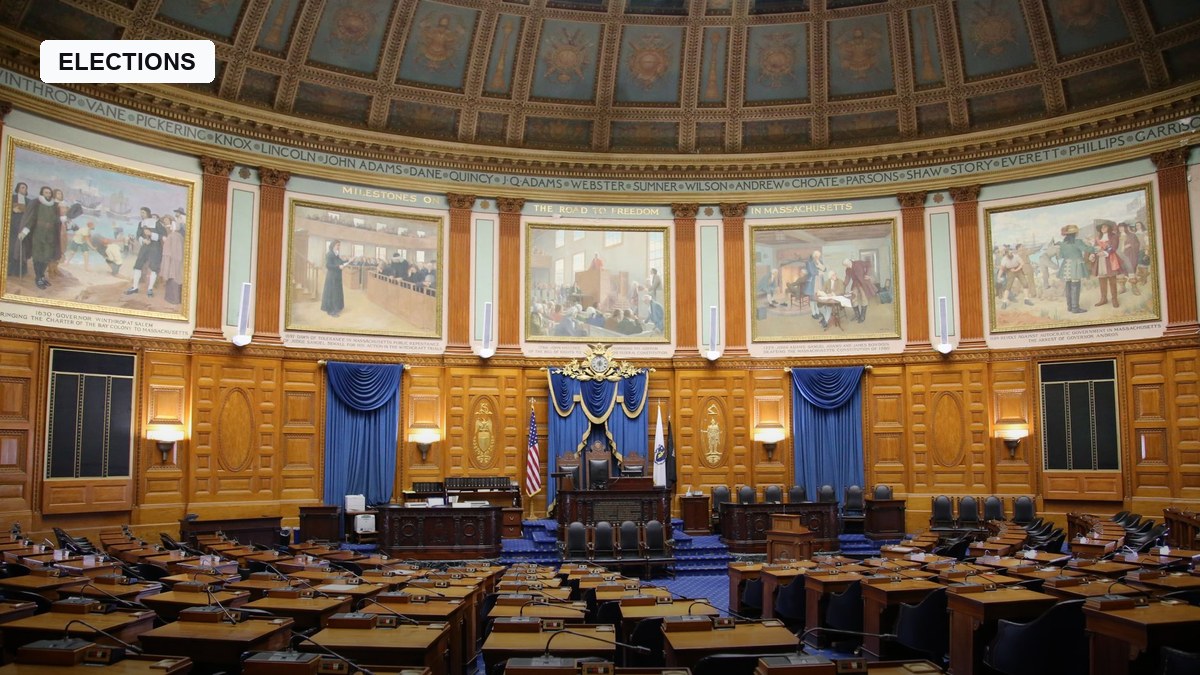
The Massachusetts House of Representatives voted unanimously on July 1, 2026 to pass the Ballot Spending Transparency Act, a bill designed to close what good-government advocates call a significant blind spot in the state’s campaign finance laws: the ability of groups bankrolling statewide ballot questions to avoid disclosing their spending for months at a time. The bill, numbered H.5549, was championed by Common Cause Massachusetts and is now headed for reconciliation with a companion Senate measure before it can reach the governor’s desk.
Closing an Eight-Month Disclosure Gap
At the center of the bill is a problem Common Cause Massachusetts has highlighted for several election cycles: under current Massachusetts law, spending tied to statewide ballot questions can go largely unmonitored for an eight-month stretch during an election year before regular disclosure deadlines kick in. According to the organization, $123 million — 36% of all ballot campaign contributions raised in recent cycles — arrived during exactly that unmonitored window, meaning voters were in the dark about more than a third of the money shaping these campaigns until well after the fact.
The Scale of Ballot Question Spending in Massachusetts
The numbers underlying the push for reform are substantial. Over the past six election cycles — roughly a decade — Massachusetts ballot question campaigns have raised more than $340 million combined, averaging roughly $57 million per cycle, a figure Common Cause says puts the state above the national average for spending on these citizen-initiated measures. Ballot questions in Massachusetts have covered everything from tax policy to industry-specific regulatory fights, often drawing well-funded committees on both sides, which is part of why advocates argue timely disclosure matters: by the time full financial reports are filed, the election that money was meant to influence has often already happened.
Who’s Behind the Bill
The legislation was sponsored by state Senator Sal DiDomenico and state Representative Daniel Ryan, and it cleared the House with no recorded opposition. Geoff Foster, executive director of Common Cause Massachusetts, framed the bill as a basic matter of voters being able to follow their own ballot. ‘Voters shouldn’t have to play detective to figure out who is funding the issues on their ballot,’ Foster said in a statement marking the House vote.
Real-Time Reporting, Not Just Faster Reporting
What distinguishes the bill from incremental disclosure reforms is its real-time requirement: rather than simply moving up existing periodic filing deadlines, the measure would compel ballot question committees to report contributions and expenditures as they occur, closing the current gap where large sums can be spent and only accounted for well after voters have already cast ballots. Once signed into law, the new disclosure requirements would take effect in time for this November’s general election, giving Massachusetts voters visibility into ballot question money as a live picture rather than a historical record.
The Case for Caution on Mandatory Disclosure
While H.5549 drew no formal opposition in the House vote, real-time disclosure mandates for ballot committees have drawn more general pushback in other states from groups such as the Institute for Free Speech, which has argued in various state legislatures that compressed reporting timelines can impose compliance burdens on smaller, volunteer-run ballot committees that lack the staff of well-funded political operations, and that some donors to contentious ballot questions have legitimate privacy or safety reasons for preferring delayed disclosure. Massachusetts lawmakers did not address those concerns directly in the House debate, according to Common Cause’s own account of the vote, leaving open how the Senate-passed companion bill, S.2916, will ultimately reconcile reporting frequency with those compliance questions.
What’s Next
With both chambers now on record supporting some version of the transparency requirement — the Senate previously passed its own version, S.2916, through a conference committee — the next step is reconciling the House and Senate bills into a single piece of legislation that can go to the governor’s desk. If signed in time, Massachusetts voters would see ballot question spending disclosed as it happens for the first time this November, a change Common Cause and its legislative allies say is overdue given how much of the roughly $57-million-per-cycle total has historically gone unreported until after voters had already decided.
The unanimous House vote also raises a broader question other states are watching closely: whether real-time disclosure, once enacted in a high-spending state like Massachusetts, becomes a template other legislatures copy, or whether the compliance concerns raised by groups like the Institute for Free Speech slow similar efforts elsewhere. For now, Massachusetts appears positioned to become one of the first states to require ballot committees to report contributions and spending as transactions happen rather than on a delayed periodic schedule, a shift that could reshape how outside groups plan their spending strategy on future statewide questions.
Photo: Aaron Johnson / PEXELS via Pexels

