
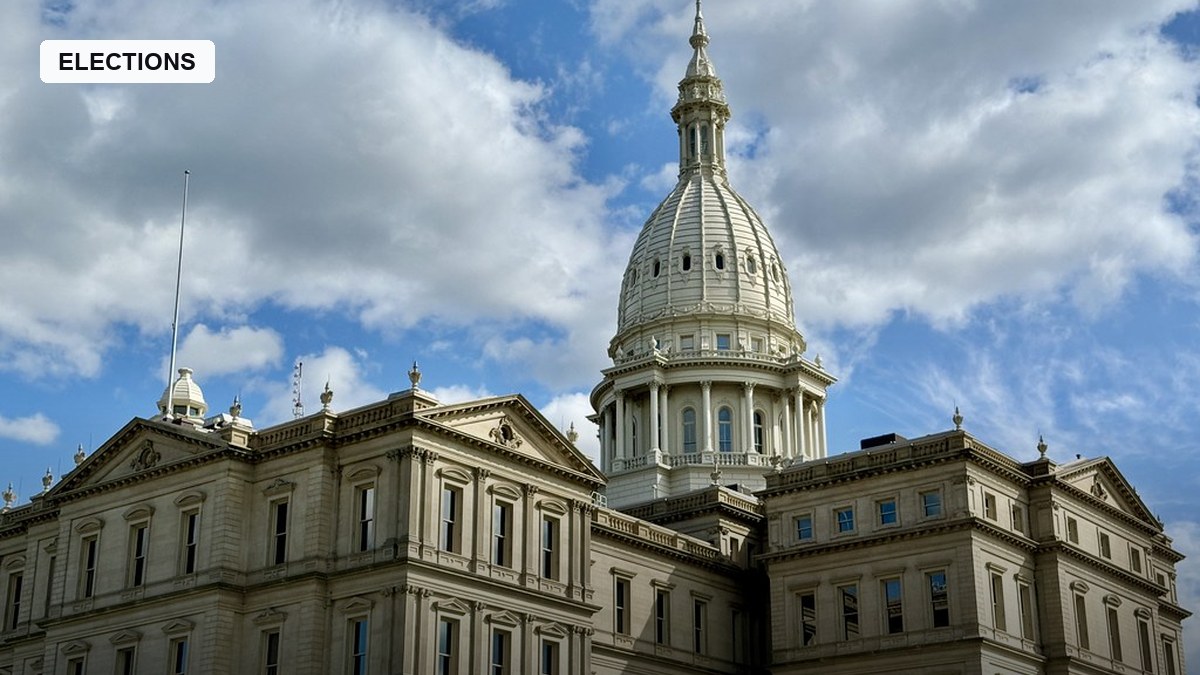
Michigan’s open U.S. Senate race has become one of the most closely watched contests of the 2026 midterms, setting progressive Democrat Abdul El-Sayed against former Republican Congressman Mike Rogers in a battle to succeed retiring Democratic Sen. Gary Peters. El-Sayed, a physician and former Michigan health department director, won the Democratic nomination on Aug. 5, 2026, in a narrow primary victory over establishment-backed former Congresswoman Haley Stevens, a result some national Democrats privately described as an upset given Stevens’s institutional support.
A Primary That Divided the Party
El-Sayed’s win over Stevens exposed a familiar rift within the Democratic Party between its progressive and establishment wings. Stevens had the backing of much of Michigan’s Democratic establishment, while El-Sayed, who previously ran for governor in 2018 and had been floated for other statewide races, built his campaign around progressive priorities including Medicare for All and aggressive economic populism, arguing that bolder Democratic messaging was necessary to win back voters in a state Trump carried in recent elections.
Rogers Runs Unopposed With Trump’s Backing
On the Republican side, Mike Rogers cleared the primary field without opposition after President Trump endorsed his campaign. Rogers, a former congressman and ex-FBI agent, narrowly lost Michigan’s other Senate race to Democrat Elissa Slotkin in 2024, and his second bid is widely seen as an attempt to capitalize on lessons learned from that close defeat, including a heavier emphasis on economic issues over the national security credentials that defined his earlier campaign.
A Race Both Parties Call a Toss-Up
Despite Republicans not having won a Michigan Senate race in more than three decades, strategists in both parties consider this contest a genuine toss-up, reflecting both a difficult national political environment for Democrats and the state’s recent drift toward narrower margins in statewide races. Polling averages cited by Newsweek have shown El-Sayed trailing Rogers in hypothetical general-election matchups, prompting El-Sayed to publicly address electability concerns on social media after the primary, arguing that early polls understate his appeal to younger and working-class voters who did not turn out in the primary.
What Each Side Is Betting On
El-Sayed’s campaign is wagering that an energized progressive base, combined with frustration over affordability and health care costs, can offset skepticism about his general-election viability in a swing state. Rogers and national Republicans, backed by Trump’s endorsement and the national party’s infrastructure, are betting that Michigan’s recent rightward drift in presidential elections will carry over to a midterm Senate race, particularly if economic anxiety remains voters’ top concern heading into November.
Why This Seat Matters Nationally
With Republicans holding a narrow 53-47 Senate majority, Peters’s open seat is one of a handful of races that could determine whether Democrats can claw back control of the chamber or whether Republicans extend their hold into 2027. National party committees on both sides have signaled they view Michigan as a top-tier battleground, meaning outside spending and attention are likely to intensify in the race’s final weeks as both campaigns fight to define El-Sayed and Rogers before undecided voters settle on a choice.
Peters, who is retiring after two terms rather than seeking reelection, has largely stayed out of the primary fight between El-Sayed and Stevens, a decision some Democratic strategists read as an effort to let the party’s base settle its own direction without an establishment thumb on the scale. The seat’s history adds to the stakes: Michigan has not sent a Republican to the Senate since 1994, a streak Rogers and national Republicans are explicitly trying to end, arguing that the same coalition that helped carry the state in recent presidential elections can be replicated in a midterm Senate contest if Republicans keep their focus on affordability and public safety rather than the more national-security-heavy message Rogers ran on in his narrower 2024 loss.
What’s Next
With the Nov. 3 election just weeks away, both campaigns are expected to ramp up advertising and get-out-the-vote efforts in Detroit, its suburbs, and the state’s swing counties that have decided recent close statewide races. Whichever candidate wins will take a seat that has been held by the retiring Peters, and the outcome will be read nationally as a signal of whether Trump-era Republican gains among working-class voters are durable in a midterm environment, or whether a progressive Democratic message can hold a traditionally blue-leaning Senate seat.
Photo: w_lemay / BY-SA via flickr

