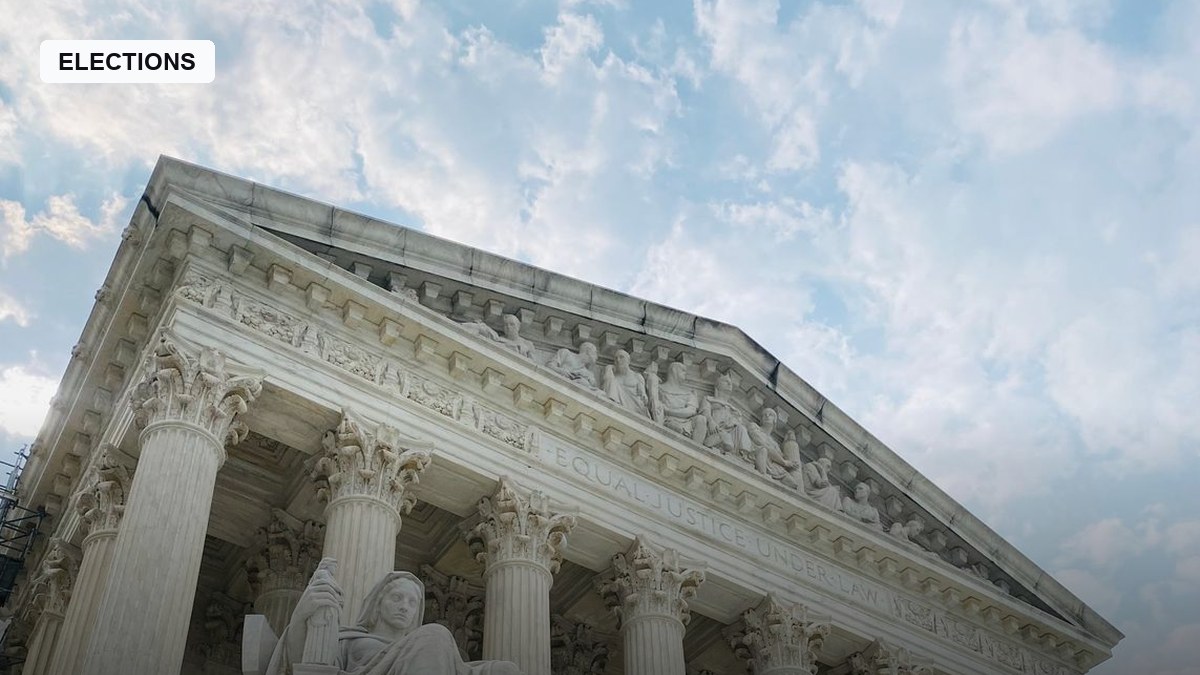
Nevada’s secretary of state is set to meet with at least a majority of the justices of the Nevada Supreme Court on November 24 to formally canvass the vote for the state’s nonlocal races, a distinctive certification procedure that gives Nevada’s judiciary a direct, statutorily mandated role in confirming election results that most other states assign entirely to executive branch officials.
Why Nevada’s Canvass Process Is Unusual
Nevada law’s requirement that the secretary of state canvass nonlocal races alongside sitting state supreme court justices represents a notably different certification model than most states use, embedding judicial branch participation directly into what is typically treated as a purely administrative executive function elsewhere, a structure that proponents argue adds an additional layer of institutional credibility to the state’s results.
What Counts as a ‘Nonlocal’ Race in Nevada
Nonlocal races in Nevada’s certification framework generally refer to statewide and federal contests along with other races spanning multiple counties, distinguishing them from purely local county or municipal races that are certified separately at the county level, a distinction that determines which results require the joint secretary of state and supreme court canvass process specifically.
The Timing Pressure From County-Level Canvasses
This statewide canvass follows weeks of county-level canvassing processes across Nevada, with individual counties working through their own certification deadlines and any local recount requests before forwarding final results to the state level, meaning the November 24 joint canvass represents the culmination of a multi-stage certification pyramid rather than a standalone event disconnected from the preceding county-level work.
How This Fits Nevada’s Broader Election Administration Reputation
Nevada has faced significant national scrutiny over its election administration in recent cycles, making a smooth, on-schedule completion of this year’s joint canvass an important data point for assessing whether the state’s certification infrastructure has stabilized following previous election cycles that saw extended disputes over Nevada’s results and processes.
What It Means Going Forward
Once the November 24 joint canvass is complete, Nevada’s statewide 2026 results will be formally certified, closing out a certification process that, unlike some other contested states this cycle, has not generated significant public controversy, a relatively uneventful outcome that election administration observers will likely cite as evidence of the state’s certification safeguards functioning as designed.
Photo: Phung Touch / PEXELS via Pexels