Governor Mikie Sherrill’s disclosure that roughly 6,600 noncitizens were mistakenly registered to vote in New Jersey between 2023 and 2024 has triggered a federal civil rights investigation and a congressional probe, reviving national debate over how software errors at motor vehicle agencies can ripple into the voter rolls. Sherrill said her administration has ordered an independent review and begun removing ineligible registrants, while stressing there is no evidence any election outcome was affected.
How a Software Glitch Became a Voting Problem
State officials have said the flaw appears to have stemmed from a system update rolled out in 2023 that changed how eligibility questions were logged in the MVC’s internal database, a change that was not adequately tested before it went live across all agency branches statewide. New Jersey officials trace the error to the state’s Motor Vehicle Commission, where residents applying for a driver’s license or ID card are asked whether they want to register to vote. Investigators found that during a roughly year-long window, some applicants who indicated they were not U.S. citizens and were not eligible to vote were registered anyway because of a coding flaw in the system that processes those applications. The problem went undetected for months before state officials caught the discrepancy and began an internal audit of registration records tied to MVC transactions.
The Numbers Behind the Headlines
Of the roughly 6,600 people improperly added to the rolls, state officials estimate about 400 went on to cast ballots, most in local or primary contests, though Sherrill’s office has said it remains unclear exactly which races were affected. New Jersey has more than 6 million registered voters statewide, meaning the erroneous registrations represent a small fraction of the total rolls, but the scale of the error was large enough to draw scrutiny from both state legislators and federal authorities.
Washington Gets Involved
The Justice Department’s Civil Rights Division has sent Sherrill’s office a formal letter demanding detailed information about the 6,600 wrongful registrations, including when and where the roughly 400 people who voted cast their ballots. Separately, the House Judiciary Committee has opened its own inquiry, with Republican members saying the episode underscores the need for stronger federal verification of state voter files, a push that overlaps with a separate nationwide DOJ campaign already suing dozens of states for voter roll data.
Sherrill’s Response and the Political Fallout
Sherrill, a Democrat who took office in January, said she ordered an independent, outside review of the MVC’s registration systems as soon as the scope of the problem became clear and has directed officials to purge ineligible names from the rolls. She has framed the episode as an administrative failure inherited from prior systems rather than intentional wrongdoing, while Republican critics, including members of the state legislature, have called for a public hearing and argue the delay in disclosure raises questions about oversight at the MVC.
Two Ways of Reading the Same Numbers
Voting integrity advocates point to the episode as proof that even routine government IT systems can unintentionally add ineligible voters to the rolls, and argue it strengthens the case for stricter citizenship verification at every point a person interacts with a state agency. Voting rights groups counter that the error was self-reported and caught by the state’s own systems, that roughly 400 improper votes out of millions cast statewide poses no realistic threat to election outcomes, and that the case shows existing safeguards, however imperfect, are working as intended when errors are found and corrected.
What Happens From Here
New Jersey election officials say the cleanup of the flagged registrations should be substantially complete before the November midterms, though the DOJ’s investigation and the House Judiciary Committee’s inquiry could continue well beyond that. Sherrill’s office has committed to releasing findings from its independent review, and lawmakers in Trenton have signaled they may push for legislation requiring additional citizenship-verification checkpoints in the MVC’s voter registration workflow to prevent a repeat of the software failure. The episode has also drawn attention from other states, with several secretaries of state saying they are reviewing whether their own motor vehicle agencies use similar voter registration prompts that could carry the same coding risk, a review some officials say could take months to complete before it yields concrete policy changes.
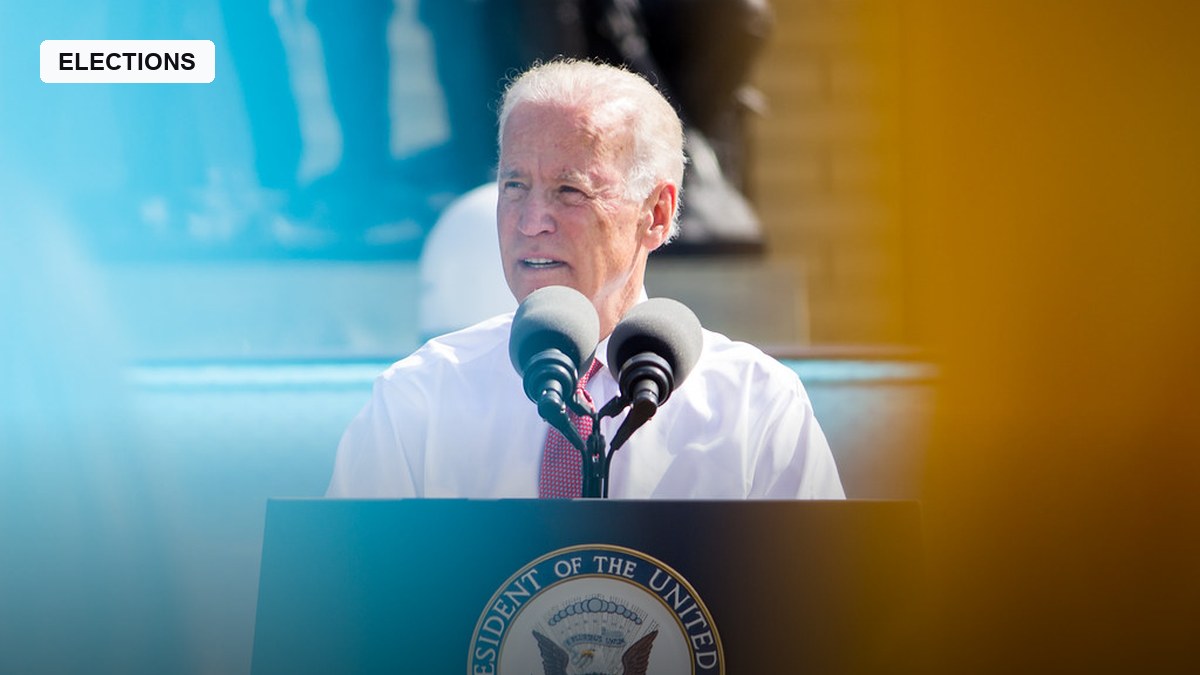
Photo: John Pemble / BY-ND via flickr