Ohio’s seven-member Redistricting Commission voted unanimously on October 31, 2025, to adopt a new congressional map that will remain in effect through 2031 and increases the Republican advantage to 12 of the state’s 15 U.S. House districts, even as commission Democrats say the deal averted a far worse outcome. The map, brokered in closed-door negotiations between legislative leaders, is now locked in for the 2026 midterms and beyond after Democrats agreed to the compromise rather than risk a unilateral GOP map or a costly referendum campaign.
Why Ohio Had to Redraw Again
Ohio was forced back to the drawing board because of a 2018 constitutional amendment requiring bipartisan support for any congressional map to last a full decade; maps passed without such support expire after four years, which is what triggered this mid-decade redraw ahead of 2026. Rather than risk another partisan standoff and possible litigation, Republican and Democratic commission members ultimately struck a deal that both sides describe, in starkly different tones, as a “compromise.”
What the New Lines Do
The new map shifts Cincinnati and Toledo districts further to the right while nudging the Akron-area district further left, a rebalancing that gives Democratic Reps. Greg Landsman (Ohio’s 1st District, Cincinnati) and Marcy Kaptur (Ohio’s 9th District, Toledo) tougher re-election fights while easing the numbers slightly for Democratic Rep. Emilia Sykes in the Akron-based 13th District. Statewide, the map produces a projected 86% Republican to 14% Democratic seat share — 12 of 15 seats — even though Ohio’s 2024 presidential vote split roughly 55% Republican to 44% Democratic, according to figures reported by the Ohio Capital Journal.
The Politics Behind the Unanimous Vote
Commission Co-Chairs state Sen. Nickie Antonio, the Senate Democratic leader, and state Rep. Brian Stewart, a Republican, both signed off on the deal, alongside Ohio House Minority Leader Dani Isaacsohn. Republicans on the commission were wary of a citizen-led referendum effort that could have overturned a more aggressive map and embarrassed the party ahead of the midterms, while Democrats calculated that a negotiated map protecting some incumbents was preferable to a unilateral Republican map that could have pushed the GOP advantage even higher.
Criticism From Reform Advocates
Voting-rights groups including the ACLU of Ohio and Common Cause Ohio criticized the new map as still deeply gerrymandered despite the unanimous commission vote, arguing that an 86-14 seat split in a state Republicans won by roughly 11 points shows the map fails to reflect the state’s actual partisan balance. Democratic legislative leaders who voted for the deal have publicly acknowledged it is imperfect but argue that any alternative map produced without their input would have been significantly worse for Democratic-held seats.
How Ohio Compares to Other States
Ohio’s move comes as several other states rushed to redraw congressional lines following a U.S. Supreme Court voting-rights ruling and a wave of Trump-aligned mid-decade redistricting pushes nationwide; notably, Ohio Capital Journal reported in May 2026 that Ohio was one of the few states not rushing to redistrict again despite that ruling, having already locked in its map the previous October. That timing means Ohio’s new lines are now largely insulated from the fresh round of redistricting litigation unfolding elsewhere.
Why the Deal Averted a Referendum
Ohio’s constitution allows citizens to petition for a public vote on a legislatively enacted map, a threat that loomed over negotiations throughout 2025 after reform advocates gathered support for a potential ballot campaign targeting an earlier, more aggressive Republican proposal. By securing unanimous commission approval — including sign-off from Senate Democratic leader Antonio and House Minority Leader Isaacsohn — Republican negotiators effectively foreclosed that referendum threat, since Ohio law makes it harder to challenge a map that commissioners from both parties formally approved. Democrats, in turn, calculated that a guaranteed, negotiated map with modestly better numbers for a few incumbents was worth forgoing a referendum fight whose outcome and timeline were uncertain.
What’s Next for Ohio Democrats
With the commission’s unanimous vote foreclosing a referendum challenge and the map set through 2031, Ohio Democrats’ path to defending Landsman’s and Kaptur’s seats now runs entirely through the ballot box rather than the courts. Both incumbents face materially tougher districts in November, and national Democratic strategists are watching Ohio as a test of whether well-funded incumbents can overcome an unfavorable map redrawn explicitly to tilt in Republicans’ favor for the remainder of the decade. Because the map is locked in until the next constitutionally mandated review, its consequences will likely extend well past this year’s midterms, shaping Ohio’s congressional delegation through the 2030 census.
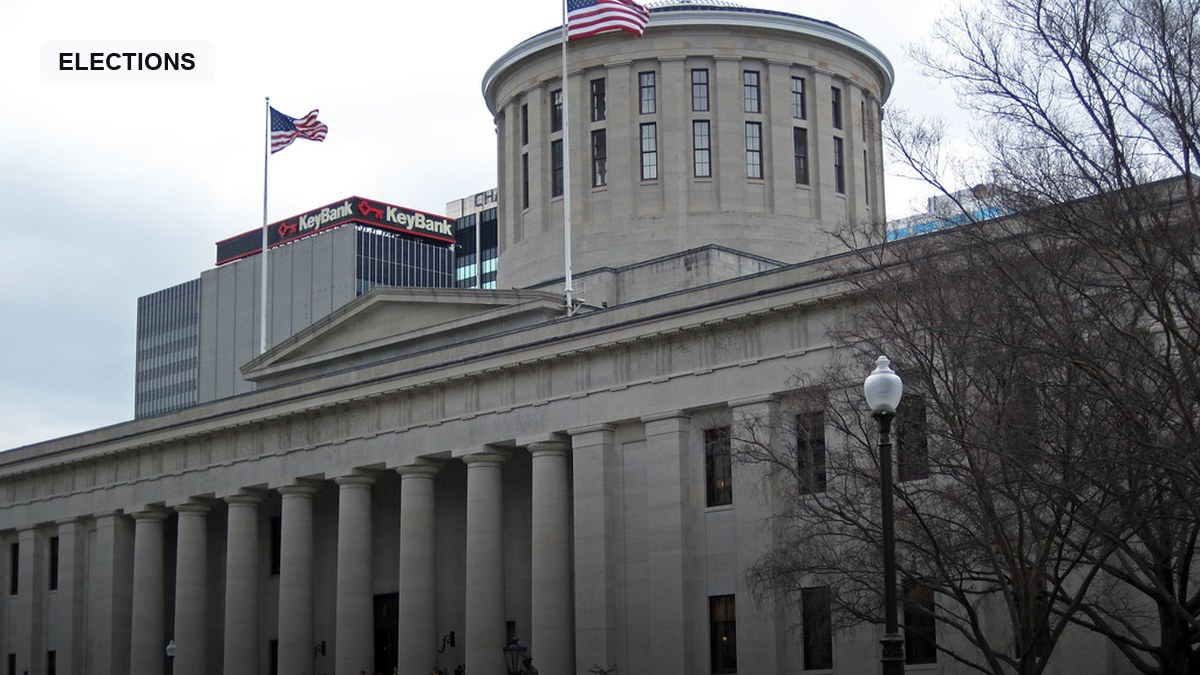
Photo: James St. John / BY via flickr