Election officials in Pennsylvania and Philadelphia are warning that a Trump administration executive order aimed at overhauling mail-ballot verification and delivery could create chaos in the state’s vote-by-mail system just months before the 2026 midterms, with the U.S. Postal Service reportedly working toward a July 29 deadline to finalize new rules.
What the Executive Order Would Change
The order directs federal agencies to build a system for verifying voter citizenship tied to mail ballots and to regulate how the Postal Service handles ballot delivery and postmarking in federal elections. Supporters describe it as an effort to standardize what has been a patchwork of state-by-state mail-ballot deadlines and verification procedures, while critics say it effectively asserts federal control over an area the Constitution leaves largely to the states.
Pennsylvania’s Practical Objections
County election directors across Pennsylvania, including in Philadelphia, say they have already purchased and printed thousands of mail-ballot envelopes for the 2026 cycle under existing state rules, and that any federally mandated redesign midstream would force costly reprints and retraining of poll workers on tight notice. Officials also flagged that citizenship-verification cross-checks against federal databases have historically produced false flags for naturalized citizens, whose paperwork, including changed names or updated documentation, does not always match cleanly across systems, raising the risk that eligible voters could be wrongly challenged.
A State Already Fighting Over Mail Rules
The state’s highest court has weighed in on the envelope-dating question multiple times since 2020, with rulings splitting narrowly on whether county boards must count undated or misdated ballots, and each new ruling has forced counties to update voter guidance materials on short notice. Pennsylvania’s mail-ballot procedures have been the subject of recurring litigation for years, including disputes over whether ballots must be dated correctly on the outer envelope to count, an issue that has swung the outcome of down-ballot races in past cycles. Adding a new federal layer of citizenship verification and delivery regulation on top of the state’s existing envelope-dating requirements, officials argue, multiplies the chances that a technical error could disqualify an otherwise valid ballot just as turnout is expected to be heavy for a competitive midterm cycle.
Timeline Concerns From Election Experts
Several county election directors said in interviews that even a modest change to ballot envelope language typically requires weeks of legal review, vendor coordination for printing, and translation into multiple languages for compliance with federal voting-rights protections, a process that becomes far harder to compress the closer a rule change lands to Election Day. Election administration researchers say there simply may not be enough runway to implement the order’s citizenship-verification system before ballots go out this fall, given that testing, staff training and voter communication typically take many months for a change of this scale. Some experts argue the near-term effect of the order may be more about generating uncertainty and legal disputes than actually altering how ballots are processed in November, since litigation over the order’s scope is already underway in multiple states resisting the administration’s approach.
Two Sides of the Debate
Administration officials and supporters of the order argue that a uniform national standard for verifying citizenship on mail ballots would close gaps that vary widely by state and restore public confidence in a voting method that has drawn persistent skepticism since 2020. Pennsylvania election officials and voting rights advocates counter that mail voting already includes multiple layers of verification, including signature matching and county-level review, and that a rushed federal overhaul imposed weeks before an election is more likely to disenfranchise legitimate voters, particularly naturalized citizens and older voters who rely on mail ballots, than to catch meaningful fraud.
What to Watch Before November
Litigation challenging the executive order’s scope is proceeding in federal court, with Pennsylvania among the states that have signaled they may join legal action if the Postal Service moves forward with binding rules rather than guidance. County election directors say they are proceeding with existing state-approved envelope designs and mail schedules in the meantime, but are watching the litigation closely given how little time remains before ballots are printed and mailed for the November midterms. Voter advocacy groups in Philadelphia say they are preparing voter-education campaigns now, in case a late court ruling forces last-minute changes to envelope instructions, so that confusion at the ballot-return stage does not translate into rejected votes once counting begins after Election Day.
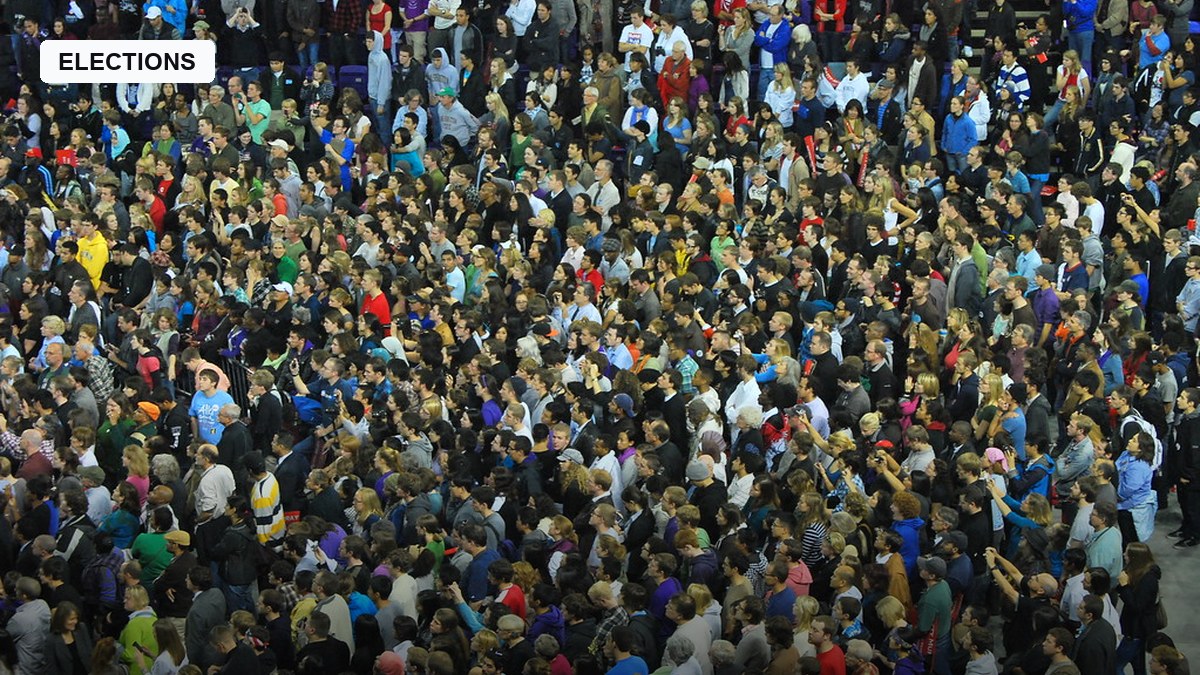
Photo: Trishhhh / BY via flickr