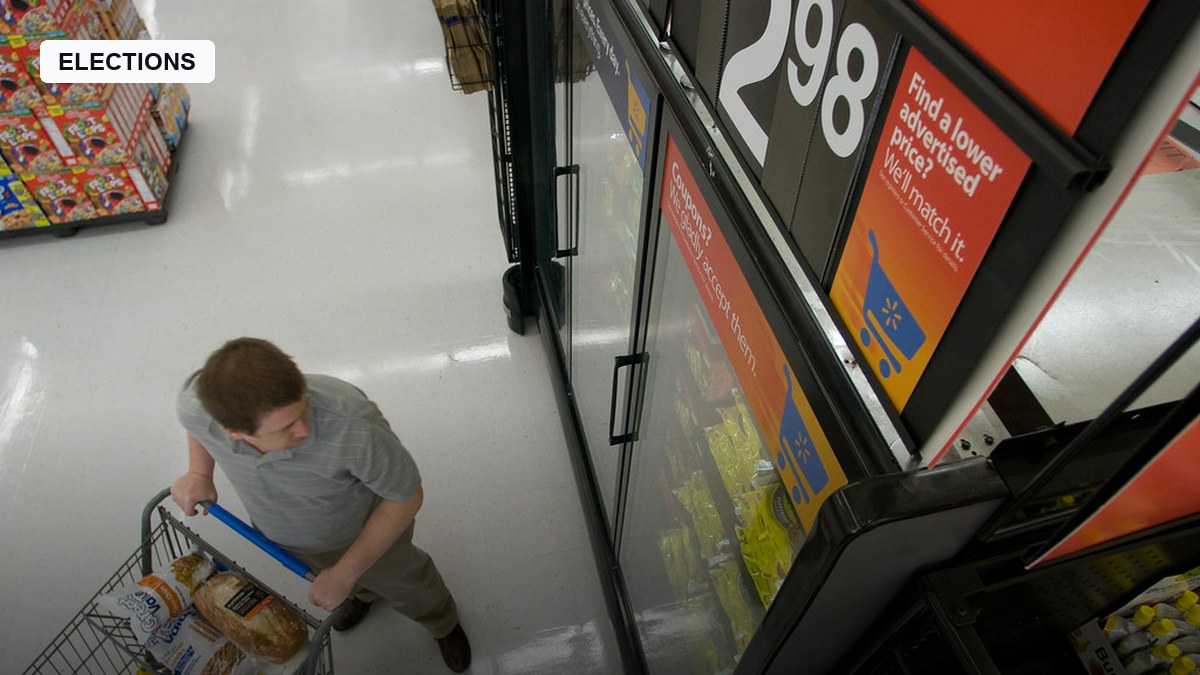
The economy is becoming a liability for the party in power. Voter anger over inflation and affordability is denting Republican midterm prospects, with President Trump’s approval sliding and Democrats now leading on economic issues for the first time in over a decade. As pocketbook concerns dominate, the 2026 landscape is tilting in Democrats’ favor.
Approval underwater
The president’s numbers have sunk. Trump’s job approval has fallen to around 41%, with disapproval rising sharply, and his ratings on economic issues are especially weak — roughly 30% approval on inflation and 37% on the overall economy. The slide reflects deep frustration with the cost of living.
Inflation bites
Prices are the flashpoint. Inflation ticked up to around 3.8% year-over-year, the highest since 2023, driven largely by soaring energy prices tied to conflict in the Middle East. With more than two-thirds rating the economy as fair or poor, voters feel the squeeze acutely.
A Democratic edge
The trust gap has flipped. For the first time since 2010, Democrats are more trusted than Republicans to handle the economy, leading by around 8 points on inflation. The shift erodes a traditional Republican advantage and hands Democrats a potent campaign message.
The generic ballot
Democrats hold a lead. Registered voters favor Democratic congressional candidates over Republicans by roughly 45% to 42%, reflecting the broader mood. A sustained edge of that size, combined with economic discontent, points to potential Democratic gains in November.
The map expands
More seats are in play. Democrats now have a serious chance at flipping Republican-held seats in states like North Carolina, Maine, Alaska and Ohio, while once-safe GOP states like Iowa and Texas look less certain. The darkening economic mood is widening the battlefield.
Why it matters
The economy drives elections. Affordability and inflation are voters’ top concerns, and perceptions of economic mismanagement can decide control of Congress. The Republican slide on pocketbook issues is among the most consequential dynamics shaping the 2026 midterms.
The bottom line
Voter anger over inflation and affordability is turning the economy against Republicans in 2026, with Trump’s approval underwater and Democrats leading on the economy for the first time since 2010. As pocketbook politics dominate and the map expands, the economic mood has tilted the midterms toward Democrats. The cost of living could decide control of Congress.