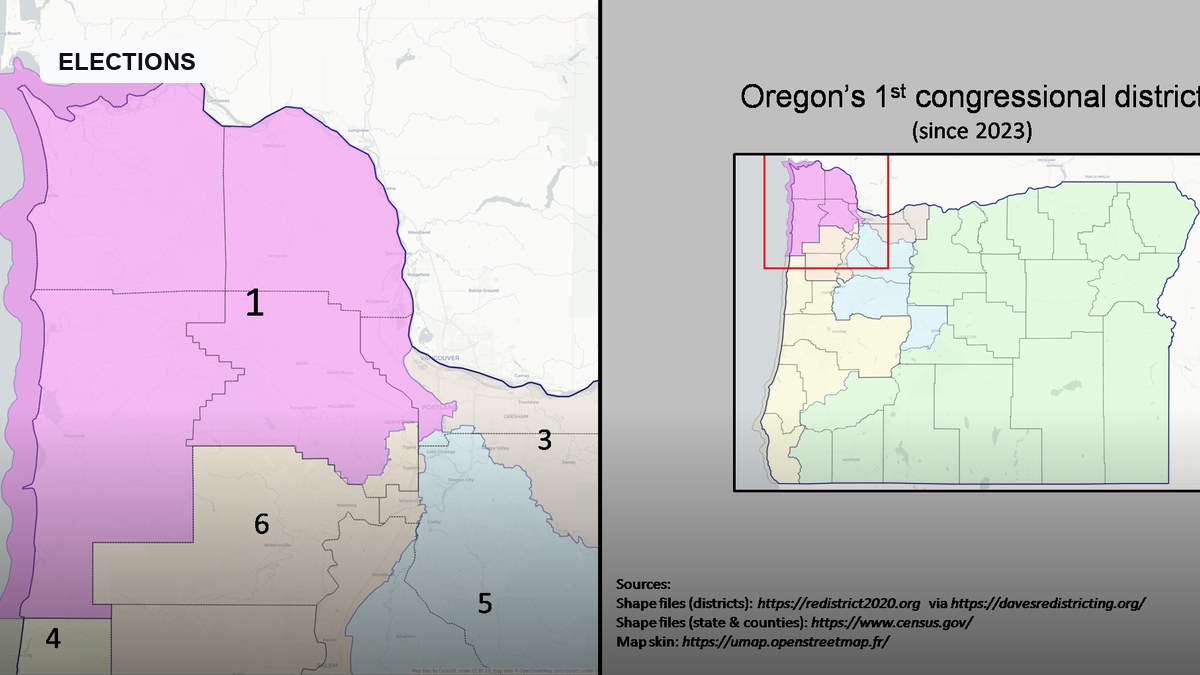
Before voters pick their representatives, another contest is quietly shaping the 2026 House: the fight over the maps themselves. Redistricting battles and court challenges over congressional district lines can determine which seats are competitive and which are locked in — and with control of the House hinging on a small number of districts, the map wars carry enormous stakes.
Why maps matter
District lines shape outcomes. How boundaries are drawn determines which party holds the advantage in each seat, influencing competitiveness before a single vote is cast. A favorable map can entrench a majority; an unfavorable one can erase it. In a closely divided House, the placement of lines is not a technicality — it is often decisive.
The court battles
Litigation hangs over the cycle. Disputes over whether maps comply with legal requirements — from representation rules to claims of partisan or racial gerrymandering — continue to wind through the courts, and rulings can force redraws that reshape the playing field. Late changes inject uncertainty, scrambling candidates’ plans and the parties’ strategies in affected states.
The competitive few
The House turns on a handful of seats. With most districts safely red or blue, control comes down to a relatively small set of genuinely competitive races. Redistricting decisions that shift even a few of these can tip the balance, which is why both parties fight so fiercely over maps in the states where the margins are tightest.
The national stakes
The maps feed the broader battle. Combined with the national political environment — where the party out of power often gains in midterms — redistricting outcomes help set the realistic range of results. A wave can overwhelm map advantages, but in a close year, the lines themselves may decide who controls the chamber.
Why it matters
Control of the House shapes governance. The majority sets the legislative agenda, controls committees and wields oversight power, framing the back half of the presidential term. Because redistricting influences which party is favored to win that majority, the map wars are a foundational, if under-noticed, front in the fight for 2026.
The bottom line
Redistricting battles and court fights over congressional maps loom large over the 2026 House contest, where a handful of redrawn districts could decide control. Less visible than campaign ads or debates, the map wars shape the battlefield before the campaign even begins. As litigation plays out, the lines on the map may prove as consequential as anything candidates say on the trail.