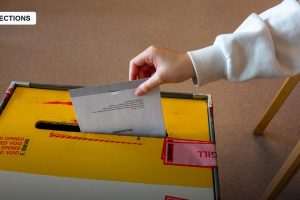
Voter rolls — the unglamorous backbone of every election — are getting an unusual amount of scrutiny ahead of the 2026 midterms. A wave of audits and lawsuits is reshaping registration lists across states, fueling a debate over whether the cleanups protect elections or risk disenfranchising eligible voters.
Utah: the rolls hold up
Not every audit finds a problem. Utah’s recent voter-roll audit concluded that 99.72% of registered voters in the state are U.S. citizens legally registered to vote, with the Lieutenant Governor’s office removing the small number of ineligible entries it found. The result is a useful data point against claims of rampant noncitizen voting: when a red state audits carefully, the rolls come back overwhelmingly clean.
Oregon and California: big purges
Elsewhere, litigation is driving large-scale list maintenance. A Judicial Watch lawsuit prompted Oregon to remove some 800,000 outdated registrations — 160,000 not previously cleared plus 640,000 inactive ones that will get notice and two federal election cycles to respond before removal. The group has also sued California over roughly 873,000 ‘inactive’ registrations, part of more than six million removals nationally tied to its legal actions.
The two sides of cleanup
List maintenance is legally required — federal law mandates that states keep accurate rolls — and removing the dead, the moved and the duplicated is routine good hygiene. The tension is in the method: aggressive purges can sweep up eligible voters who simply did not vote recently, and ‘inactive’ is not the same as ‘ineligible.’ The Oregon approach — notice plus a multi-cycle grace period — reflects the safeguards meant to prevent wrongful removals.
Why it matters
Accurate rolls underpin public confidence, but the politics are charged: cleanups are championed as integrity measures by some and viewed warily as potential suppression by others. With trust in elections already fragile, how states balance accuracy against access — and how transparently they do it — will shape perceptions of whether 2026 is run fairly.
The bottom line
From Utah’s reassuring audit to Oregon and California’s mass removals, voter rolls are being scrubbed and scrutinized like never before heading into 2026. Done with proper notice and safeguards, it is sound election hygiene; done carelessly, it risks knocking eligible voters off the list. The details, as ever, decide which.
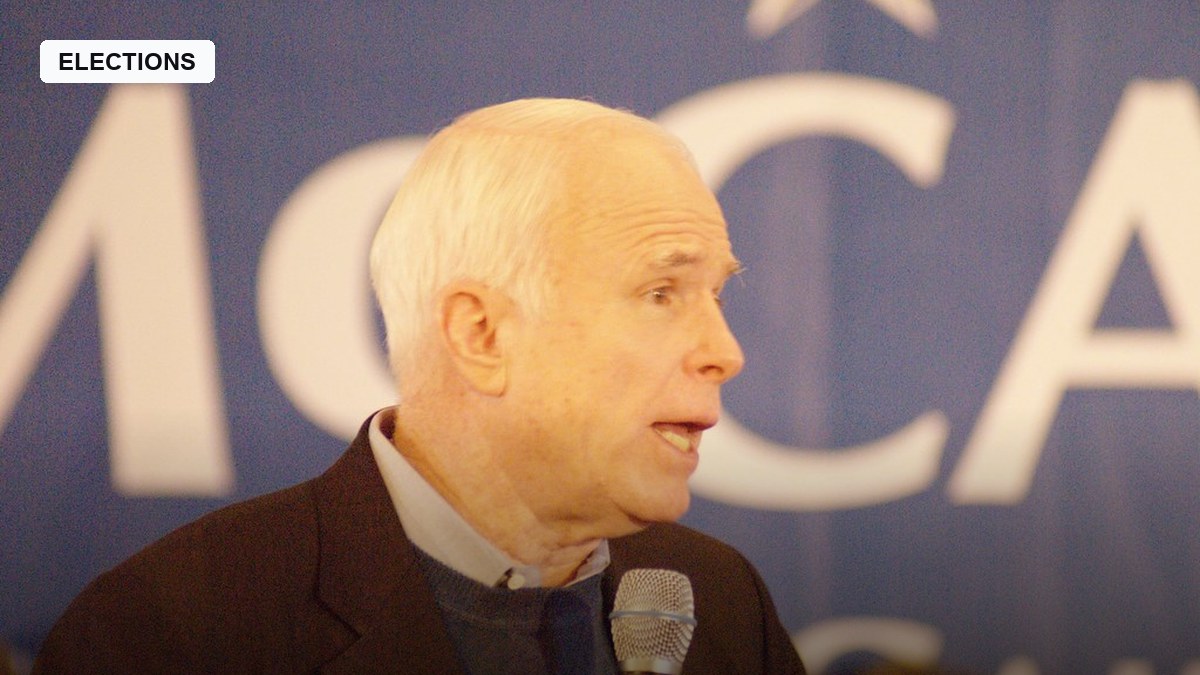
Photo: marcn / BY via flickr