A new election fight is emerging before many voters have even chosen their November candidates.
Across the United States, authorities have seized or demanded ballots from elections in multiple states this year, raising alarms among election experts who warn that aggressive ballot investigations could create uncertainty ahead of the midterms. WIRED reported that authorities have seized or demanded ballots in four states so far in 2026, while legal experts are watching whether courts establish clearer limits before November.
The issue is not whether election misconduct should be investigated. It should be. The issue is what happens when investigations begin with broad suspicion, seize sensitive election materials, and leave voters unsure whether the process is being protected or politicized.
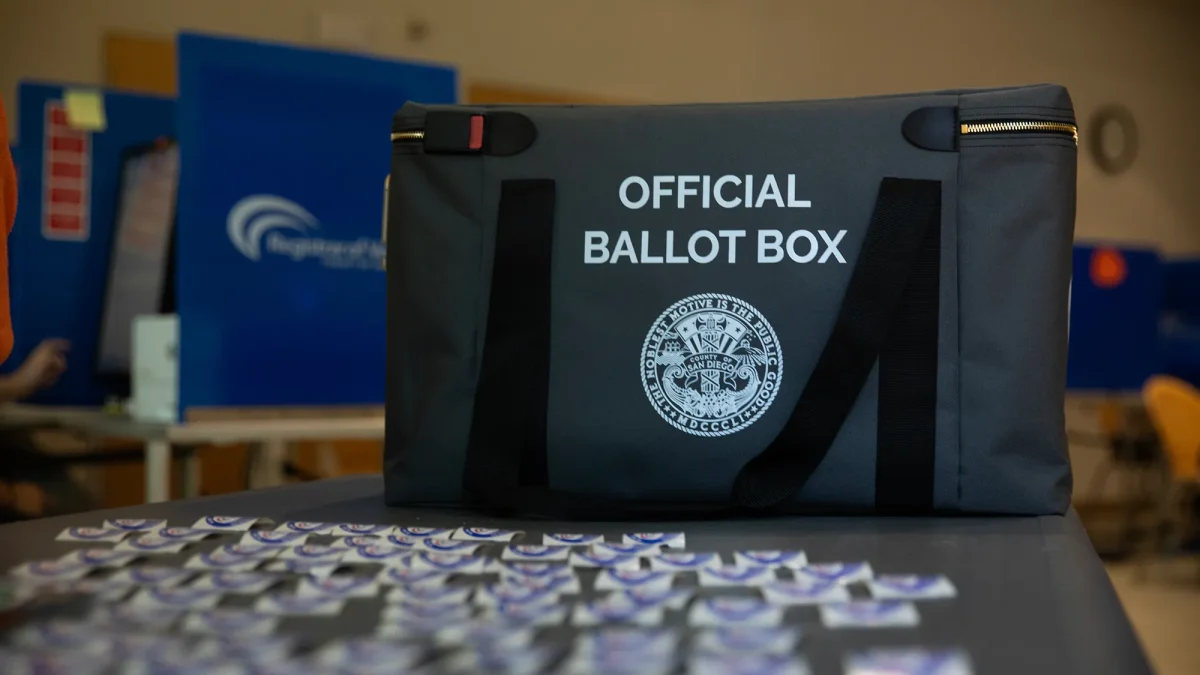
Ballots are not ordinary documents. They are the core record of an election. When they are removed, copied, subpoenaed, or handled by outside authorities, the public needs to know exactly why, under what legal authority, and with what safeguards.
That is where the current fight becomes dangerous.
Election offices depend on trust. Voters must believe their ballots are secure. Candidates must believe the rules are being applied evenly. Local officials must be able to do their jobs without intimidation. If ballot seizures become routine campaign-season tactics, they can damage confidence even when no fraud is found.
The Riverside County case shows the problem clearly. Sheriff Chad Bianco, also a Republican candidate for California governor, launched a voter-fraud investigation after allegations from an activist group. Newly unsealed warrants reviewed by CalMatters did not show direct evidence of voter fraud, even though the investigation justified seizing election materials.
That distinction matters.
A warrant is not proof. A seizure is not proof. An allegation is not proof. But once ballots are taken, the political effect is immediate. Supporters may treat the action as confirmation of fraud. Opponents may see it as intimidation. Election workers may feel targeted. Voters may wonder whether their ballots are safe.
The investigation itself becomes the story.
This is why courts, election officials, and law enforcement agencies need clearer rules before the cycle intensifies. Election probes must be evidence-based, narrowly tailored, and transparent enough to avoid becoming political theater. If officials have credible evidence, they should present the legal basis. If they do not, they should not use the machinery of investigation to amplify unproven claims.
The 2026 midterms will test more than candidates.
They will test whether the country can separate legitimate election oversight from pressure campaigns dressed up as investigations.
Ballots deserve protection.
So does public trust.