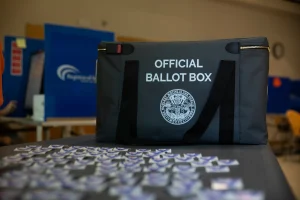
A California voter-fraud inquiry has raised a question that will follow election officials throughout 2026: when does investigating election integrity strengthen public trust, and when does it deepen suspicion without proof?
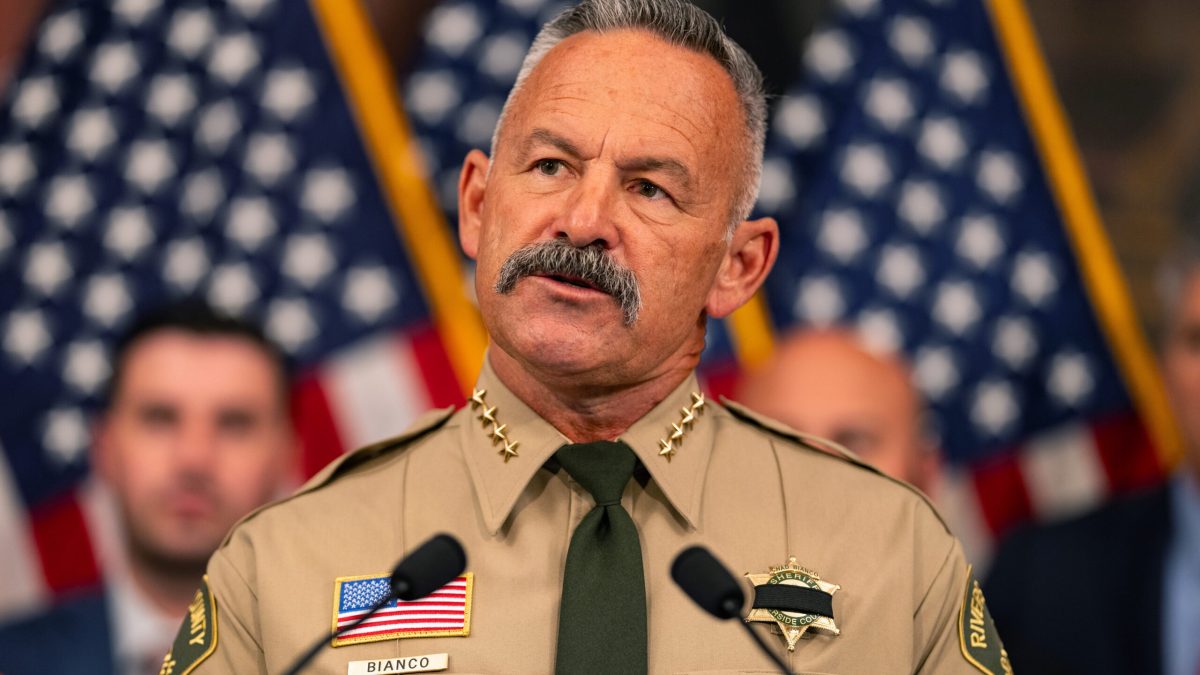
Riverside County Sheriff Chad Bianco, who is also a Republican candidate for governor, launched an investigation into alleged voter fraud after claims from an activist group. Newly unsealed warrants reviewed by CalMatters did not show direct evidence of voter fraud, even though they were used to justify seizing election materials.
That distinction matters.
Election investigations carry public weight. When law enforcement seizes ballots or election records, many voters assume serious wrongdoing must have already been found. But a warrant is not a conviction. It is not proof of fraud. It is a legal step in an investigation.
The Riverside case shows how easily the public can confuse those stages.
Allegations from outside groups can be useful if they point to real irregularities. Election systems should not ignore credible complaints. But when claims move from activist pressure to law-enforcement action, the evidentiary standard becomes critical.
The danger is that investigations can become political instruments.
If a candidate or official launches a voter-fraud probe during an election year, every step will be read through campaign politics. Supporters may see courage. Opponents may see intimidation. Election workers may feel targeted. Voters may become less confident, even if no fraud is ultimately found.
That is why transparency is essential.
The public should know what evidence triggered the investigation, what materials were seized, how voter privacy is protected, and whether election administration was disrupted. Without those answers, the investigation itself can become a source of confusion.
The Riverside story also fits a broader national pattern. Since 2020, local election offices have faced pressure from activists, candidates, and public officials demanding fraud investigations. Some claims deserve review. Others collapse under scrutiny. The challenge is separating legitimate oversight from political theater.
Election integrity depends on both security and restraint.
Officials should investigate real misconduct. But they should also avoid turning unverified claims into public spectacles that damage trust before facts are established.
The Riverside warrants may not prove voter fraud.
But they do prove something else: in 2026, the way election investigations are launched may matter almost as much as what they find.