The League of United Latin American Citizens has sued Texas Secretary of State Jane Nelson and four counties, alleging the state’s noncitizen voter-purge program relies on an unreliable federal database and ignores evidence in the state’s own files showing many flagged voters are, in fact, eligible citizens. The suit, filed March 26, 2026, in the U.S. District Court for the Western District of Texas, adds Texas to a growing list of states facing legal challenges over citizenship-verification purges ahead of the midterms.
How the purge began
In October 2025, Nelson’s office announced it had compared Texas’s voter rolls against the SAVE database — the Department of Homeland Security’s Systematic Alien Verification for Entitlements system, maintained by U.S. Citizenship and Immigration Services — and identified 2,724 people it described as potential noncitizens registered to vote. Those voter files were sent to counties for further eligibility review, a process that ultimately could lead to registrations being canceled.
The core legal claim
LULAC, represented by the Campaign Legal Center and the Law Office of Dicky Grigg, argues in League of United Latin American Citizens v. Nelson (No. 1:26-cv-00729) that the SAVE database ‘is known to contain unreliable citizenship data that will systemically burden non-US born citizens,’ particularly naturalized citizens whose immigration records may not have been updated. The complaint alleges this violates the National Voter Registration Act, which requires that list-maintenance programs be uniform, nondiscriminatory, and not result in the wrongful removal of eligible voters.
A key allegation: ignoring better data
Perhaps the most pointed claim in the lawsuit is that some Texas counties ran the purge without cross-checking the federal flags against the state’s own, more reliable voter records — meaning the state may have inaccurate information readily available that would clear many flagged voters, but allegedly failed to use it. LULAC argues the purge will remove eligible voters “while ignoring data in the state’s own possession that shows these results to be inaccurate.”
What the lawsuit seeks
LULAC is asking the court to order Nelson and the four defendant counties to stop directing election officials to use the state’s citizenship-verification program. The organization says it filed suit only after Nelson failed to correct what it characterizes as ongoing NVRA violations, following earlier notice to her office.
The broader fight over citizenship checks
Texas’s program fits a pattern seen in Ohio, Alabama and other Republican-led states, where legislatures and secretaries of state have launched database-driven noncitizen purges in response to unsubstantiated claims of widespread noncitizen voting. Supporters, including many state election officials, argue that cross-referencing federal immigration records against voter rolls is a basic and necessary safeguard. Civil rights groups counter that SAVE and similar databases were never designed for this purpose and routinely misclassify naturalized citizens, who make up a significant share of eligible voters in states like Texas.
What happens next
With the complaint newly filed, no ruling has yet been issued on LULAC’s request to halt the program. The outcome could have outsized consequences in Texas, where even a relatively small number of wrongful purges in close districts could affect midterm outcomes. More broadly, the case is likely to be closely watched as a test of whether federal courts will rein in SAVE-based purge programs before Election Day, or allow states wide latitude to police their own rolls using contested federal data.
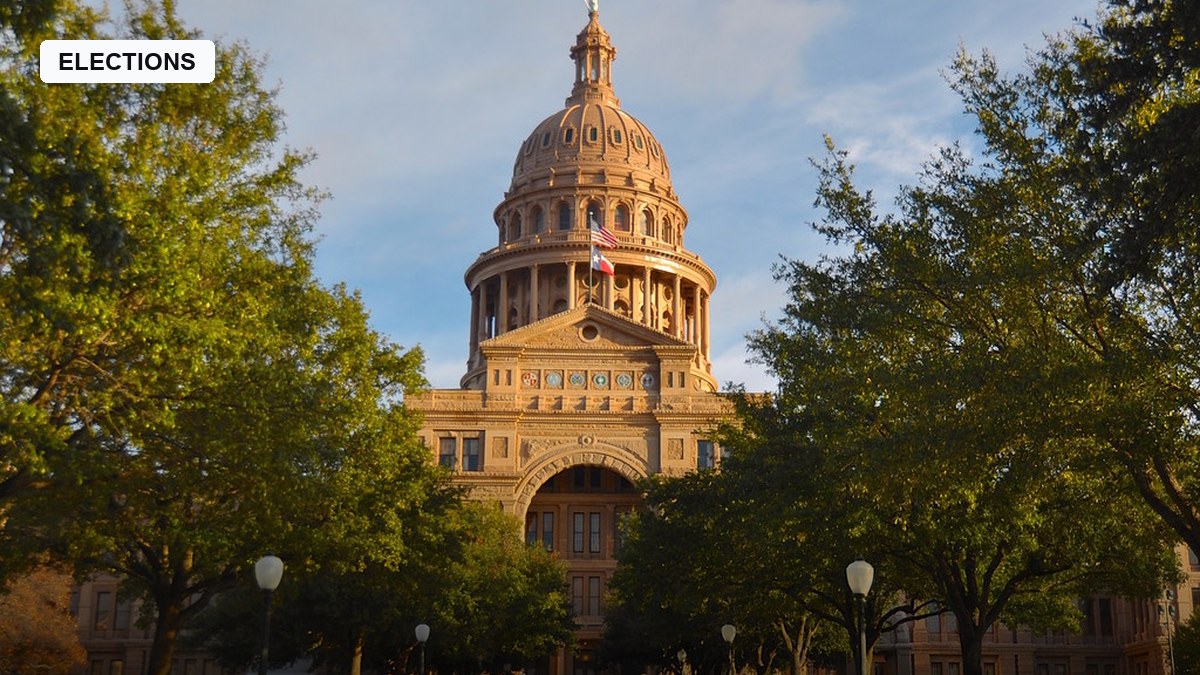
Photo: faungg’s photos / BY-ND via flickr