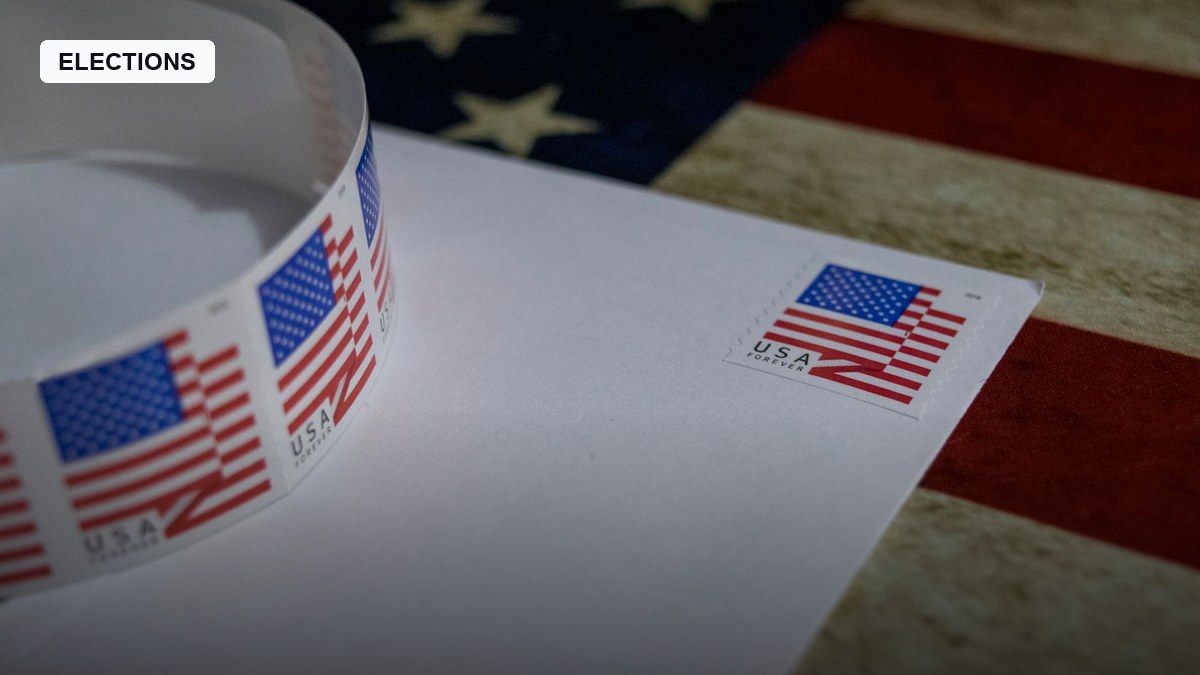
On June 29, 2026, a divided U.S. Supreme Court ruled that federal election-day statutes do not prevent states from counting mail-in ballots that are postmarked by Election Day but arrive afterward, preserving grace periods used by fourteen states and the District of Columbia as the nation heads into the November midterms. The 5-4 decision in Watson v. Republican National Committee resolved a challenge that began in Mississippi and threatened to force last-minute changes to ballot-counting rules just months before millions of Americans vote.
A Challenge Born in Mississippi
The case traces back to a lawsuit the Republican National Committee and the Libertarian Party of Mississippi filed against Mississippi’s rule allowing mail ballots postmarked by Election Day to be counted if they arrive within five business days afterward. A federal district court upheld the Mississippi law, but the U.S. Court of Appeals for the Fifth Circuit reversed that decision, ruling the grace period violated federal statutes that set a single, uniform Election Day for choosing members of Congress and the president. The Supreme Court agreed on November 10, 2025, to hear Mississippi’s appeal, teeing up a ruling that election administrators across the country waited on for months.
Justices Split Over the Meaning of ‘Election Day’
At oral argument on March 23, 2026, the Republican National Committee argued that a ballot must not only be cast but also received by Election Day to count under federal law. Mississippi countered that nothing in the federal Election Day statutes addresses when ballots must be received, only when the election itself must be held. Writing for the majority, Justice Amy Coney Barrett sided with Mississippi, concluding that the defining element of an election has always been the electorate’s choice of candidate, and that states retain authority to set the administrative details, including receipt deadlines, around that choice.
Fourteen States Had Grace Periods on the Line
Voting rights organizations had warned that a ruling for the RNC would have forced Mississippi and thirteen other states with similar grace-period laws to scrap them almost overnight, disqualifying ballots that were mailed on time but delayed by the postal system. The NAACP Legal Defense Fund, which filed briefs in the case, argued the stakes fell hardest on rural and Black voters who rely more heavily on mail delivery timelines they cannot control. LDF President and Director-Counsel Janai Nelson said the Court correctly recognized that federal law doesn’t require states to end grace periods, and pledged the organization would keep fighting further attempts to restrict mail voting.
A Narrow Win Both Sides Are Still Arguing Over
The 5-4 split underscores how contested mail voting remains eight years after it expanded dramatically during the COVID-19 pandemic. Conservative election attorney Cleta Mitchell, who has pushed for tighter voting rules, said the ruling’s reasoning about state authority over election administration could open a path to challenge early voting laws instead, telling supporters, ‘Let’s file some cases.’ Republican officials in several states have signaled they still view extended ballot-counting windows skeptically, citing concerns about delayed results and chain-of-custody questions, even as they acknowledge the Court has now settled the specific legal question in Watson. Democratic election lawyers counter that grace periods have operated without major incident in states like Washington and California for years, and argue the real motivation behind continued challenges is to shrink the pool of ballots counted in close races rather than to address any documented fraud.
Campaign Legal Center attorney Danielle Lang called the decision a win for voters, noting that overseas residents, rural mail carriers, and people whose ballots are delayed through no fault of their own all benefit from a short buffer after Election Day. She added that the ruling does not change when voters must cast their ballots, only when late-arriving, already-postmarked ballots can still be processed and counted.
What’s Next as the Midterms Approach
With the legal uncertainty resolved just over four months before Election Day, secretaries of state in Mississippi and the other grace-period states are moving to confirm their existing timelines will govern the November 3 midterms, giving local election offices one less variable to manage this cycle. But the fight over mail voting is unlikely to end here: election lawyers are watching for new litigation targeting early voting under the logic Barrett’s opinion used, and Congress has shown no sign of passing the uniform federal receipt deadline that would make rulings like this one unnecessary. For now, voters in the affected states can count on ballots postmarked by November 3 being counted even if they trickle in over the following days, a detail that could matter most in races decided by narrow margins.
Photo: Anthony Acosta / PEXELS via Pexels