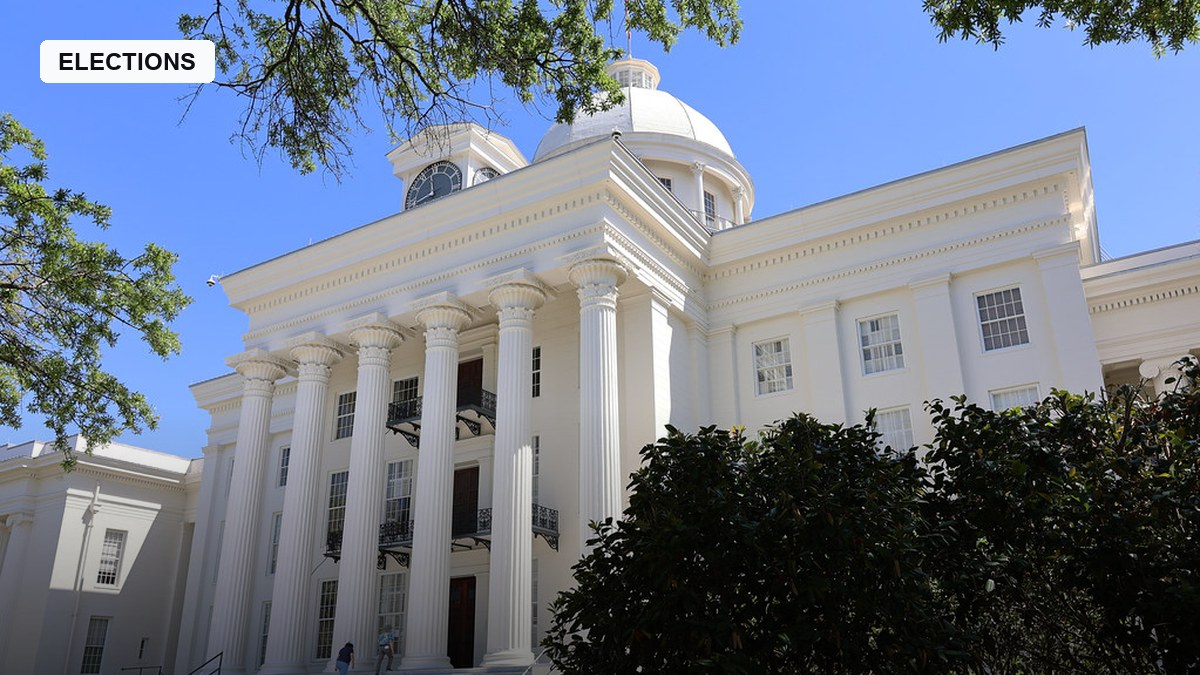
More than two years after civil rights groups sued Alabama Secretary of State Wes Allen over a program that flagged thousands of voters as potential noncitizens, the case remains unresolved — a reminder that even as new purge lawsuits pile up in other states this election cycle, older fights over the same basic question are still working their way through the courts.
How the Alabama program worked
Allen’s office launched a purge effort targeting more than 3,000 voters who had, at some point, been issued noncitizen identification numbers by the Department of Homeland Security — numbers assigned to people in various immigration statuses, not necessarily current noncitizens. Critics say the program swept up naturalized citizens who had since become eligible to vote but were never removed from DHS’s noncitizen-numbered rolls.
The legal challenge
The Campaign Legal Center, with senior vice president Paul Smith as lead counsel, filed suit against Allen alleging violations of the National Voter Registration Act. The complaint said the program ‘inactivates and constructively removes thousands of Alabamians from the active voter rolls,’ and detailed cases of eligible, naturalized citizens who were wrongly flagged and forced to re-register to preserve their voting rights. ‘No American citizen should be denied their freedom to vote,’ Smith said at the time. Before suing, the groups had sent Allen a letter demanding the state ‘immediately cease this program’ and turn over related records under the NVRA’s disclosure provisions.
Why the case has stalled
Rather than proceeding to a ruling, the litigation was stayed — paused at the parties’ request — leaving the underlying legal questions about the program’s legality unresolved. That kind of extended pause is not unusual in complex federal voting-rights litigation, where parties sometimes negotiate changes to a challenged program in hopes of avoiding a court order, but it leaves affected voters in limbo in the meantime.
Two sides, a familiar debate
Allen and other defenders of citizenship-verification efforts argue states have a duty to maintain accurate rolls and that using DHS data, however imperfect, is a reasonable tool given limited alternatives. Voting rights advocates counter that noncitizen identification numbers are a poor proxy for current citizenship status, since many of the people who once held them have since naturalized — meaning the program is, by design, likely to misidentify currently eligible voters rather than catch genuinely ineligible ones.
A pattern across states
Alabama’s stalled case sits alongside more recently filed suits in Texas and Ohio, all raising similar NVRA claims against similar database-driven purge programs. Taken together, they reflect a broader legal battle over how far states can go in policing citizenship at the ballot box without running afoul of federal protections designed to prevent erroneous, large-scale removals close to an election.
What’s next
With the case still paused and the midterms approaching, Alabama voters who were flagged years ago may still face uncertainty about their registration status. Should settlement talks fail or either side move to lift the stay, a ruling could finally clarify whether Alabama’s approach — and by extension, similar programs elsewhere — complies with federal law. Until then, the case stands as an unresolved precedent hanging over the broader national fight over noncitizen voter purges heading into November.
Photo: public domain via flickr