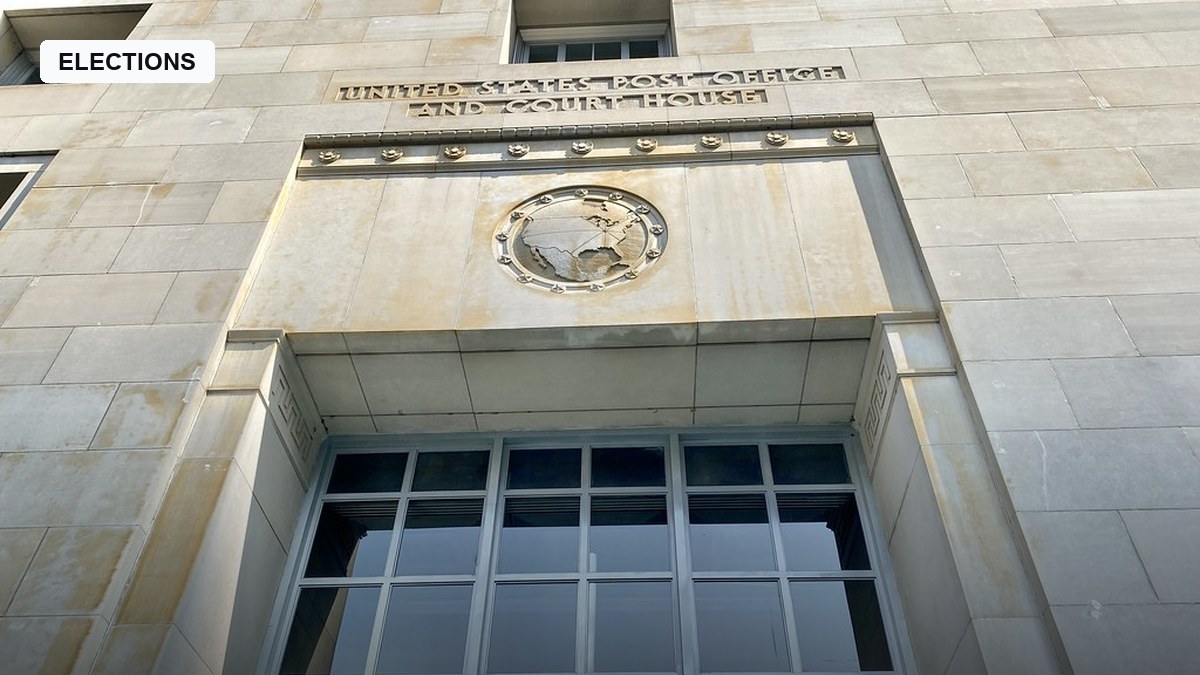
As the Supreme Court’s new term gets underway, the justices are preparing to decide a case that could reshape how Arizona, and potentially other states, verify that voters are U.S. citizens, with the final round of merits briefs filed on October 13, just three weeks before the November midterms. Oral argument in Republican National Committee v. Mi Familia Vota is set for December 8, 2026, meaning the ruling itself won’t arrive until after this year’s elections are decided, even as the underlying rules remain a live issue in Arizona’s registration system right now.
A Fight Rooted in a 2022 Law and an Older Consent Decree
Arizona enacted a law in 2022 requiring documentary proof of citizenship, such as a passport, birth certificate, or driver’s license number tied to citizenship records, for voters registering on the state’s own form, going beyond the federal Motor Voter registration form, which only requires an attestation of citizenship under penalty of perjury. Voting-rights groups including Mi Familia Vota, LUCHA, and Promise Arizona sued, pointing to a 2018 consent decree in which a previous Arizona secretary of state had agreed to limit the state’s citizenship-verification demands. A federal district court sided with the challengers, and in February 2025 the U.S. Court of Appeals for the Ninth Circuit affirmed, holding that the National Voter Registration Act and the 2018 consent decree both preempt Arizona’s documentary-proof requirement.
The Supreme Court Already Stepped In Once
This isn’t the justices’ first encounter with the dispute. In August 2024, the Supreme Court partially granted an emergency stay allowing Arizona to enforce its documentary-proof requirement for applicants using the state’s own registration form, while leaving blocked a harsher provision that would have barred voters who registered on the federal form, without proof of citizenship, from voting for president or casting a mail ballot. That split decision created the patchwork system Arizona has used ever since: state-form registrants must show proof of citizenship, while federal-form registrants can still vote in federal races without it.
Two Petitions Ask the Same Underlying Question
The Republican National Committee and Arizona Senate President Warren Petersen each filed separate petitions asking the Supreme Court to take up the case on February 19, 2026, after the Ninth Circuit’s ruling. The petitions, which the Court is considering together, ask whether the National Voter Registration Act or the 2018 consent decree bars Arizona from requiring satisfactory evidence of citizenship on its state registration form, and separately whether federal law prevents Arizona from running a program that cancels the registrations of suspected noncitizens within 90 days of a federal election. The Court granted certiorari on June 29, 2026.
Briefing Wraps Up Just Before the Midterms
Over the summer, the Republican National Committee, the state of Arizona, and the U.S. Department of Justice filed briefs supporting Arizona’s documentary-proof requirement, arguing it is a reasonable and necessary safeguard against noncitizen registration. The respondents, AZ AANHPI Equity, LUCHA, and Promise Arizona, filed their opposing merits brief on October 13, defending the Ninth Circuit’s reasoning and warning that Arizona’s rule risks disenfranchising eligible citizens who lack easy access to a passport or certified birth certificate, particularly older voters, people with disabilities, and those born outside a hospital setting. Numerous outside groups filed amicus briefs on both sides after the argument date was set in early September.
The case lands amid a broader national push by the Department of Homeland Security to scrutinize noncitizen registration, a campaign that has drawn its own criticism after internal records showed the agency substantiated only a small fraction of the tens of thousands of suspected cases it had initially flagged nationwide. Arizona’s defenders say that track record only strengthens the case for requiring documentary proof up front rather than relying on after-the-fact list maintenance, while the challengers argue it shows the scale of noncitizen voting has been consistently overstated and does not justify new paperwork burdens on millions of eligible citizens.
What’s Next
Because the Court won’t hear argument until December 8 and is not expected to rule until sometime before its term ends next summer, Arizona’s current patchwork rules will govern voter registration throughout the November 2026 midterms regardless of the outcome. That means state-form registrants in Arizona still need documentary proof of citizenship to vote this cycle, while federal-form registrants remain exempt for federal races. The eventual ruling will matter far beyond Arizona: several other Republican-led states have floated similar documentary-proof laws and are waiting to see whether the Supreme Court gives them clearer legal footing, while voting-rights groups are preparing to use the case as a test of how far the National Voter Registration Act’s protections extend in future election cycles.
Photo: w_lemay / BY-SA via flickr