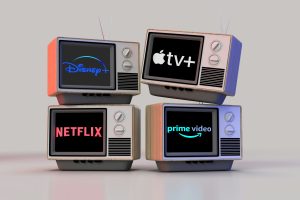
The way we experience culture is undergoing a profound transformation, driven by the rise of social media. According to a recent study by the Pew Research Center, 70% of Americans aged 18-29 use social media platforms to discover new music, while 55% rely on these platforms for movie and TV recommendations.
This shift has significant implications for the cultural industry as a whole. As people increasingly turn to social media for entertainment, traditional gatekeepers such as critics and curators are being challenged in their roles. ‘The internet has democratized access to information,’ says Dr. Sofia Patel, a media studies expert at New York University. ‘However, this has also created a proliferation of voices, making it harder for audiences to discern quality content.’
The nut graf: This shift matters because it is fundamentally altering the way we engage with art and entertainment. As social media continues to shape our cultural landscape, it is essential to examine the consequences of these changes and consider their long-term impact on the industry.
Background
Cultural institutions have been slow to adapt to the rise of social media. Until recently, many museums, galleries, and performance venues relied on traditional marketing strategies, such as print advertising and word-of-mouth promotion. However, this approach is no longer sufficient in a digital age where attention spans are short and audiences are fragmented.
One notable exception is the Metropolitan Museum of Art in New York City. Under the leadership of its Director, Max Hollein, the Met has launched several social media initiatives aimed at engaging younger audiences. ‘We recognize that our traditional audience is aging, and we need to find new ways to connect with a broader demographic,’ he explains.
These efforts have paid off: the Met’s Instagram account has gained over 2 million followers since its launch in 2013, making it one of the most followed museums on the platform. However, this success comes with challenges. ‘We’re still figuring out how to measure the impact of our social media campaigns,’ Hollein admits.
What Happened
The shift towards social media-driven cultural experiences has been facilitated by advances in technology and changes in audience behavior. Social media platforms have made it easier for artists, musicians, and performers to reach a global audience without the need for traditional gatekeepers. ‘This has created new opportunities for creators,’ says Dr. Patel. ‘However, it also raises questions about ownership and intellectual property.’
One notable example is the rise of influencer marketing in the art world. Social media influencers with large followings have become important tastemakers, promoting emerging artists and galleries to their audiences. However, this phenomenon has also been criticized for perpetuating inequality and exclusivity.
Reactions
The shift towards social media-driven cultural experiences has not gone unchallenged. Some critics argue that these platforms are homogenizing artistic expression and stifling creativity. ‘Social media is a fundamentally commercial force,’ says art critic, Jerry Saltz. ‘It’s reducing art to a commodity, rather than an experience.’
Others contend that social media has democratized access to culture, making it more inclusive and diverse. ‘This shift is a reflection of broader societal changes,’ argues Dr. Patel. ‘We’re moving towards a more participatory culture, where everyone has a voice.’
What Comes Next
As the cultural landscape continues to evolve, institutions must adapt to remain relevant. This will require significant investments in digital infrastructure and a willingness to experiment with new formats and platforms.
The Met’s Hollein believes that this shift presents opportunities for collaboration and innovation. ‘We’re working closely with artists, curators, and technologists to develop new ways of engaging audiences,’ he says.
Analysis
The impact of social media on cultural experience is complex and multifaceted. While it has opened up new avenues for creativity and participation, it also raises important questions about ownership, intellectual property, and the role of traditional gatekeepers.
In conclusion, as we move forward in this rapidly changing landscape, it is essential to examine the consequences of these shifts and consider their long-term impact on the industry. By doing so, we can ensure that cultural institutions remain relevant and continue to serve the needs of audiences in the digital age.
Looking Ahead
The 2024 Venice Biennale will be a major test case for social media-driven cultural experiences. The event’s curators have announced plans to incorporate Instagram Live and other social media platforms into the exhibition.
Meanwhile, the Met is set to launch a new digital initiative aimed at providing more inclusive and accessible programming for its online audiences. ‘We recognize that our digital presence is just as important as our physical one,’ Hollein says.