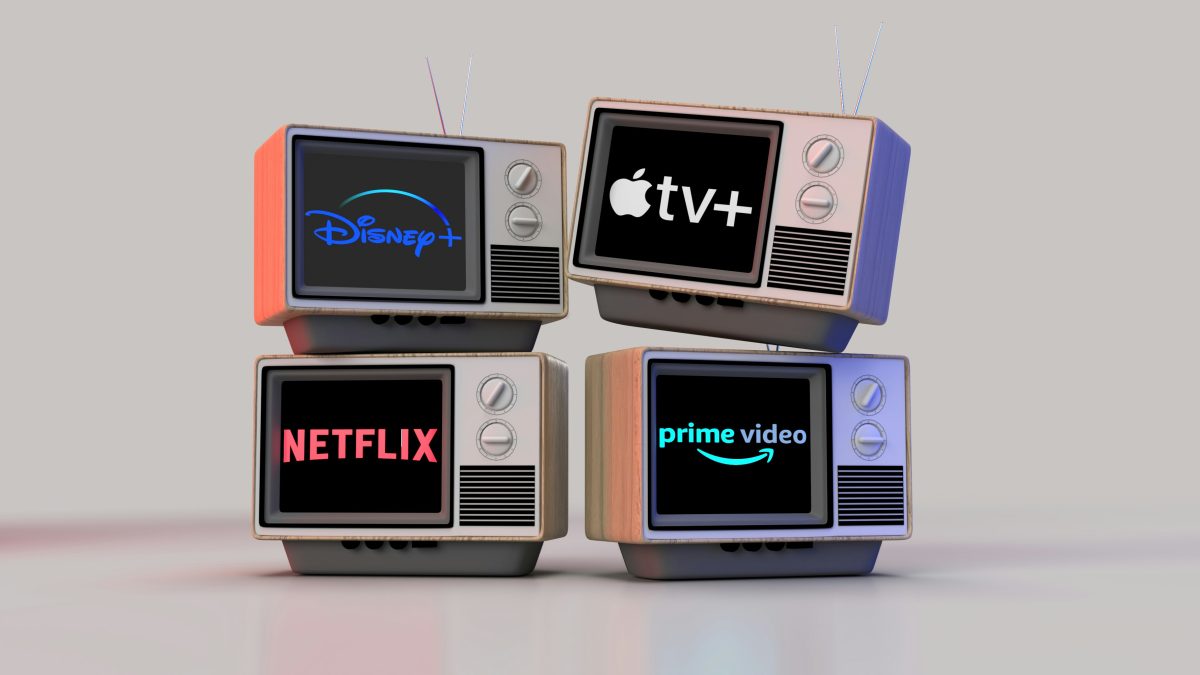
The streaming services Netflix, Hulu, Amazon Prime Video, Disney+, and HBO Max have revolutionized the way people consume entertainment content, fundamentally changing the television landscape in just a few years. According to a recent report by eMarketer, the number of digital video viewers in the United States increased by 27% between 2020 and 2022.
As a result, traditional broadcast networks have seen their share of the audience decline: in 2022, only 34.6% of adults aged 18-49 watched live television, down from 45.1% in 2018, according to Nielsen Media Research data.
A New Era of Consumption
The shift towards streaming has been driven by increasing demand for personalized content and flexibility in viewing schedules. According to a survey conducted by Deloitte in 2022, 71% of consumers said they would be more likely to subscribe to a service that offered a wide range of content tailored to their interests.
This trend is reflected in the growth of niche streaming services such as Crunchyroll (anime) and Acorn TV (British dramas), which have found success by targeting specific audiences with unique content offerings. The proliferation of streaming platforms has also led to an increase in original programming, with many services investing heavily in exclusive content.
What Happened: A Brief History
The shift towards streaming began in the late 2000s with the launch of Netflix’s streaming service, which initially focused on DVD rentals by mail. However, as internet speeds improved and mobile devices became ubiquitous, streaming services began to prioritize video content.
In 2013, Netflix released its first original series, ‘House of Cards’, which was a critical success and marked a turning point in the company’s shift towards exclusive content. Other streaming services soon followed suit, with Hulu launching its own original programming in 2011 and Amazon Prime Video debuting in 2014.
Reactions: Industry Response
The impact of streaming on traditional television networks has been significant. Many have responded by investing in their own streaming services or partnering with existing players to distribute content. For example, Disney launched its own streaming service in 2019, which now boasts over 140 million subscribers.
However, some critics argue that the proliferation of streaming platforms is leading to a homogenization of content and a lack of diversity in programming. According to a report by the Media Matters for America think tank, the number of TV shows featuring diverse casts or storylines decreased significantly between 2018 and 2020.