Midterm elections are, at their core, referendums. The question the electorate answers — whether consciously or not — is whether the party in power deserves to keep it. The variables that determine the answer are complex, but they tend to reduce to a handful of numbers that capture the national mood with uncomfortable precision.
In 2026, three numbers tell the story.
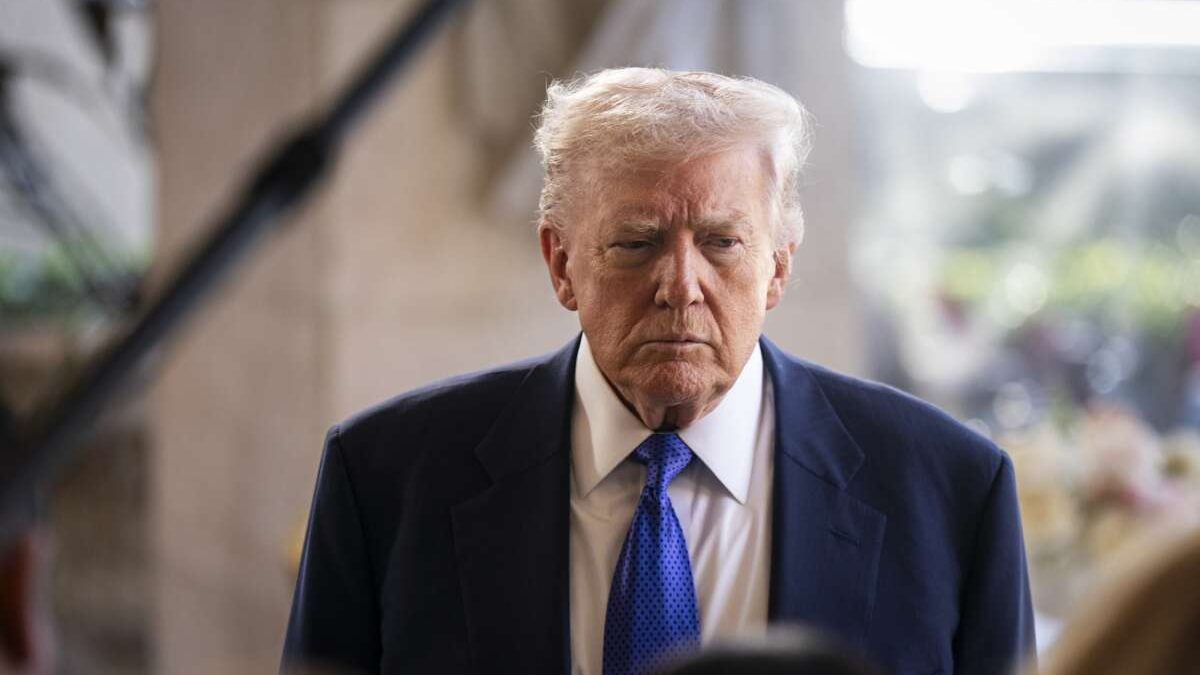
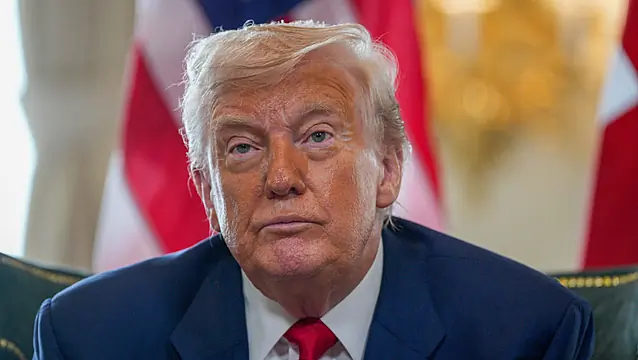
The first is 43. That is President Trump’s approval rating in the most recent NBC News survey — 43 percent approve, 55 percent disapprove. The number has been remarkably stable, hovering between 41 and 45 percent since February, resistant to both positive and negative news cycles. It is not catastrophic by historical standards — Trump’s first-term approval bottomed at 37 percent in 2017 — but it is firmly in the range that has historically produced significant midterm losses. No president with approval below 45 percent at midterm has avoided losing at least one chamber of Congress.
The approval number is driven less by any single issue than by a pervasive sense that the administration has underdelivered on its core promises. Two-thirds of voters say Trump has fallen short on the economy and the cost of living — the issues that drove his 2024 victory over Kamala Harris. The irony is not lost on voters: they elected Trump to fix the economy, and the economy, by their own assessment, is not fixed. The Iran war, which was never part of any campaign promise, has made it worse.
The second number is 107. That is the approximate price of Brent crude oil as of this week, down from peaks above $120 but still more than 45 percent higher than pre-war levels. Oil at $107 a barrel means gasoline at $4.10 a gallon — a price that Americans encounter every time they fill their tanks, every time they buy groceries, every time they book a flight. It is the most visible, most visceral, most politically damaging price signal in the American economy.
Gas prices have a documented, measurable effect on presidential approval and midterm outcomes. Political scientists Alan Abramowitz and Gary Jacobson have shown that every $1 increase in gasoline prices correlates with a 2-to-3-point decline in the president’s approval rating and an additional 3 to 5 House seats lost by the president’s party. The increase since February — roughly $1.16 per gallon — translates, by this model, into an additional 3 to 6 seats at risk beyond what the baseline political environment would predict.
The war in Iran is the proximate cause. The Strait of Hormuz closure is the mechanism. But the political consequence falls entirely on the party in power. Voters do not parse supply chain disruptions or geopolitical strategy when they are paying $70 to fill a minivan. They punish the president. Every poll conducted since March shows the war is deeply unpopular — more than half of voters say the administration has fallen short on foreign policy, and the war is the primary driver of that assessment.
The third number is the one that synthesizes the other two: the generic congressional ballot. Democrats currently lead by margins ranging from 5 to 14 points across major surveys, with an average of approximately 7 to 8 points. In 2018, when Democrats gained 41 House seats, the generic ballot average was roughly 7 points. In 2022 and 2024, when elections were closely contested, the generic ballot showed leads of less than a point.
A 7-to-8-point Democratic advantage on the generic ballot, sustained through the summer and into the fall, would produce a House majority for Democrats with seats to spare. It would make dozens of Republican-held districts competitive that are not currently on any forecaster’s map. And it would create the kind of national environment in which even well-funded incumbents in modestly favorable districts find themselves in fights they did not expect.
The question for the remaining months of the cycle is whether these numbers move — and in which direction. If the Iran war ends, oil prices could fall rapidly, gas prices would follow, and Trump’s approval could recover. A ceasefire in the Strait of Hormuz would remove the single largest driver of economic anxiety and potentially reshape the midterm landscape. Republicans are betting that the war is temporary and the political damage is reversible.
Democrats are betting that it isn’t — and that even if the war ends, the scars it has left on household budgets, consumer confidence, and the national psyche will persist through November. They are also betting on the historical pattern: that midterm electorates are structurally hostile to the president’s party, that the enthusiasm gap will translate into turnout, and that the retirement wave signals a Republican caucus that has already internalized the outcome.
Both bets are reasonable. Both could be wrong. The midterms remain six months away, and six months in American politics is a geological epoch. But the three numbers — 43, 107, and 4.10 — are the ones that will determine whether the second half of Donald Trump’s presidency is governed by a Republican Congress or a Democratic one. And right now, they are all pointing in the same direction.